TRENCHLESS SEWER SERVICE IN IRVINE

Trenchless Sewer Repair
in Irvine, CA

A damaged underground sewer pipe does not always require digging a long trench across your yard, driveway, or landscaping. Depending on the pipe's condition, trenchless sewer repair may provide a way to rehabilitate or replace underground piping while limiting surface disruption.

For property owners in Irvine, California, the main advantage is the possibility of correcting sewer damage without opening the ground along the entire pipe route.

Trenchless methods include pipe bursting, sewer pipe lining, and other specialized pipe rehabilitation techniques. Each method works differently, and not every sewer line qualifies.

An inspection helps determine whether the existing pipe is suitable for rehabilitation, whether a replacement pipe can follow its route, or whether conventional excavation is a better approach.

📍

Proudly Serving
Irvine, CA
And Surrounding
Communities

⬡Local Irvine
Experts
⚙Advanced
Diagnostic Equipment
♟Honest Recommendations
& Lasting Solutions
◷Fast Response
For Urgent Problems
☎

Call to Discuss Trenchless Sewer Repair: +1 (321) 425-1571

Describe your sewer problem, property layout, and any previous inspection results.

Contact Us →
TRENCHLESS SEWER LINE GUIDE

What Is Trenchless Sewer Repair?

Trenchless sewer repair refers to methods that repair, rehabilitate, or replace underground sewer piping without excavating a continuous trench along the entire pipe.

Traditional excavation typically requires exposing the damaged pipe from above. Trenchless techniques may instead use existing pipe openings, cleanouts, or smaller access pits.

The goal is to reduce disturbance where the underground conditions allow it.

How Is Trenchless Repair Different From Traditional Excavation?

With traditional sewer replacement, workers excavate an area large enough to access the affected pipe, remove it, and install new piping.

Trenchless methods take a different approach.

Some create a new internal lining inside the existing pipe. Others break or expand the existing pipe while installing a replacement pipe along approximately the same route.

Both approaches can reduce the need for a continuous open trench.

However, trenchless does not necessarily mean there will be no digging. Access pits, connection excavations, and local repairs may still be necessary.
Does Trenchless Repair Work on Every Sewer Line?

No. Suitability depends on the pipe material, diameter, shape, location, slope, existing damage, and surrounding utilities.

For example, a pipe with certain cracks or defective joints may qualify for rehabilitation.

A completely collapsed section, severe misalignment, or an unsuitable pipe route may require excavation or a different solution.

The method should be selected after evaluating the actual underground conditions.

TRENCHLESS SEWER LINE GUIDE

Types of Trenchless Sewer Repair

There are several trenchless technologies, but two common approaches for underground sewer repair are pipe bursting and internal pipe lining.

They serve different purposes.

Pipe Bursting — Replacing the Existing Sewer Pipe

Pipe bursting is a trenchless replacement method.

A specialized bursting head moves through the route of the existing pipe. As it advances, it fractures or displaces the old pipe outward while pulling a new pipe into position behind it.

This method generally requires properly planned entry and exit access.

The new pipe replaces the function of the existing underground line rather than simply coating its interior.

Pipe bursting may be considered when the existing pipe is seriously deteriorated but the route and surrounding conditions are suitable.

It is not appropriate for every pipe material, defect, or underground environment.

Sewer Pipe Lining — Rehabilitating the Existing Pipe

Pipe lining works differently.

Instead of removing or bursting the old pipe, a lining system is installed inside an existing pipe that meets the method's requirements.

One approach is cured-in-place pipe lining, commonly called CIPP.

The system forms a new internal lining after preparation, installation, and curing.

The existing pipe must have suitable geometry and access for the selected product and installation method.

For more detailed information about preparation, curing, and lining limitations, visit our sewer pipe lining page.

Other Trenchless Rehabilitation Methods

Additional methods include sliplining and other close-fit rehabilitation systems.

These techniques vary in the way the replacement material or liner is inserted, fitted, and secured.

Some may reduce the available internal diameter. Others require specialized installation arrangements or excavation at particular locations.

The correct technology depends on the application rather than the availability of a single type of equipment.

Signs Your Sewer Line May Need Trenchless Repair

Trenchless repair is a possible solution for certain sewer defects, not a diagnosis by itself.

The following problems may justify an inspection to determine whether rehabilitation or replacement is appropriate.

Recurring Main Sewer Line Blockages

A sewer line that repeatedly clogs after professional cleaning may have an underlying condition that traps debris.

Possible causes include root intrusion, defective joints, internal pipe deterioration, or poor alignment.

Cleaning can temporarily restore flow, but recurring problems may require further investigation.

Tree Roots Entering Sewer Pipes

Roots may enter through cracks or openings around damaged joints.

As they grow inside the pipe, they can restrict wastewater flow.

Removing the roots may not correct the damaged entry point.

Depending on the defect, pipe rehabilitation or localized repair may help address the underlying problem.

Cracked or Deteriorating Underground Pipes

Cracks, fractures, and other defects can develop in underground sewer piping.

Some damaged pipes may be suitable for lining, while others require partial or complete replacement.

The important question is whether the pipe has the necessary condition and geometry for the selected repair method.

Damaged Sewer Joints

Separated or displaced joints may allow root intrusion, soil entry, or wastewater escape.

A small joint defect may call for localized repair.

Multiple defects along a longer section may support consideration of rehabilitation or replacement.

A DIAGNOSIS-LED APPROACH

How Professionals Determine Whether Trenchless Repair Is Suitable

A trenchless repair decision should begin with an assessment of the sewer line and the surrounding property.

Selecting a method based only on symptoms can result in unnecessary work.

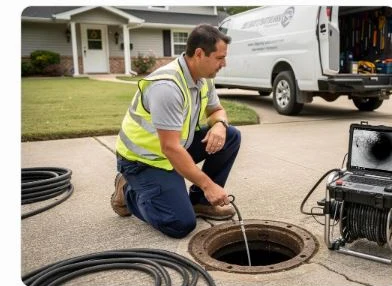
Technician performing camera inspection before trenchless repair
01

Step 1 — Evaluate the Sewer Problem

The initial assessment considers the affected fixtures, frequency of blockages, previous work, and available sewer records.

A recurring backup may indicate a damaged underground line, but it can also result from a removable obstruction.

The distinction matters.

02

Step 2 — Inspect the Pipe Interior

A CCTV sewer camera may help identify visible defects, including cracks, root intrusion, separated joints, standing water, and obstructions.

The pipe may require cleaning before useful camera images can be obtained.

Camera inspection is valuable, but it cannot always reveal external pipe support, surrounding utilities, or every type of wastewater leak.

03

Step 3 — Establish Pipe Location and Access

The location and depth of the sewer line influence trenchless feasibility.

An existing cleanout may provide useful access, but some methods require properly sized pits.

The repair plan must also account for nearby buildings, foundations, trees, paving, and underground services.

04

Step 4 — Check Structural and Alignment Conditions

The inspection should consider whether the pipe has retained a suitable route and cross-sectional shape.

A severe belly or major offset cannot automatically be corrected by placing a liner inside the existing pipe.

Some pipe bursting projects also become unsuitable when the route, nearby utilities, or pipe alignment present unacceptable constraints.

05

Step 5 — Compare Appropriate Repair Methods

The findings should be used to compare reasonable options.

These may include localized excavation, pipe lining, pipe bursting, or conventional replacement.

A useful recommendation explains why a method fits the pipe's condition and what limitations remain.

For broader information about underground repair decisions, see our sewer line repair information for Irvine property owners.

WHEN TRENCHLESS FITS

When Is Trenchless Sewer Repair a Good Option?

Trenchless methods can be worth considering when damage affects underground piping that would otherwise be difficult to reach.

This may be especially relevant when the line passes beneath finished surfaces.

Pipes Beneath Driveways or Walkways

Excavating across concrete, paving, or a finished walkway can add restoration work to a sewer project.

A suitable trenchless method may reduce the amount of surface material that must be removed.

However, excavation can still be required at access locations or connections.

Long Underground Sewer Runs

Long pipe sections can require substantial excavation when replaced using traditional methods.

Trenchless replacement or rehabilitation may reduce the extent of continuous surface disturbance.

The existing pipe route must still be evaluated for feasibility.

Damaged Pipes With Suitable Geometry

An existing sewer pipe may qualify for rehabilitation when the selected method can be installed properly and provide the intended result.

A pipe lining system, for example, requires appropriate preparation and compatibility with the existing condition.

Areas With Landscaping or Limited Access

Established landscaping, irrigation systems, patios, and other property features can make excavation disruptive.

Trenchless work may preserve some of these features by concentrating access in selected locations.

The actual benefit depends on where pits, connections, and any necessary excavation must be placed.

KNOW THE LIMITS

When Trenchless Repair May Not Be Appropriate

A less disruptive method is not automatically the best repair.

Some conditions require direct access to correct the underlying problem.

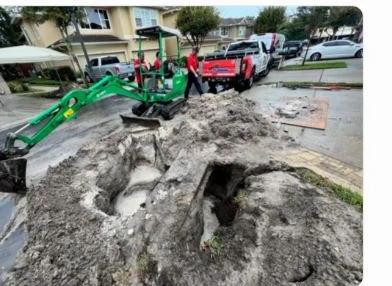
Excavation access pit for trenchless sewer work

Completely Collapsed Sewer Pipes

A severely collapsed pipe may not provide a usable path for inspection, lining equipment, or certain replacement systems.

Excavation may be needed to expose and remove the failed section.

Severe Pipe Misalignment

Significant changes in pipe position or slope can affect drainage performance.

Installing a liner inside the same route does not automatically restore proper slope.

Some alignment problems require excavation and reconstruction.

Unsuitable Underground Utilities

Pipe bursting places forces on the existing pipe and surrounding soil.

Nearby utilities, structures, and other underground conditions must be evaluated before the method is approved.

When adequate separation or safe installation conditions cannot be established, another repair method may be needed.

Inadequate Access

Some trenchless methods require equipment access that is not available at the property.

A tight driveway, building location, inaccessible pipe connection, or limited excavation area can affect feasibility.

Isolated Damage Better Handled by Spot Repair

A short, accessible damaged section may be more reasonably repaired through localized excavation.

A larger trenchless project is not necessarily justified when the remaining line is in good condition.

Trenchless Sewer Repair vs. Traditional Sewer Replacement

Both methods can be appropriate depending on the pipe and site conditions.

FactorTrenchless MethodsTraditional Excavation
Surface disruptionMay reduce continuous trenchingRequires exposing the affected pipe
AccessOften uses cleanouts or access pitsDirect access through excavation
Pipe conditionMust meet method-specific requirementsCan address severely failed sections directly
Existing alignmentSome defects may remain or limit suitabilityAllows direct correction of slope and alignment
Underground utilitiesClearance and installation impacts must be assessedUtilities must also be located and protected
RestorationMay reduce affected surface areaMay involve more extensive surface restoration
CostDepends on equipment, length, access, and preparationDepends on excavation, depth, access, and restoration

Neither method is always less expensive or more durable.

A comparison should consider the completed repair, site restoration, and suitability for the existing problem.

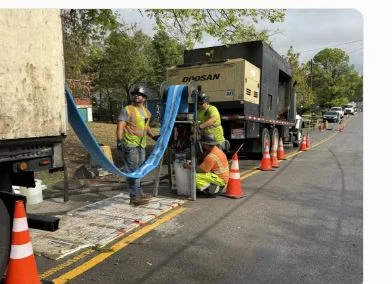
Pipe lining rehabilitation work

Get the Right Trenchless Solution
for Your Property

  • Accurate diagnosis
  • Clear explanation
  • Options that fit your needs
  • Long-lasting results
☎   Call Now
+1 (321) 425-1571
FROM FIRST CALL TO FINAL CHECKS

What Happens During a Trenchless Sewer Repair Project?

The actual process depends on whether the project uses pipe bursting, lining, or another method.

The following stages describe common planning considerations rather than a verified company-specific procedure.

01

Initial Inspection and Repair Planning

The sewer line is assessed to determine the damage and whether a trenchless method is feasible.

Pipe size, material, location, connections, and access points are considered.

02

Cleaning and Preparation

Some rehabilitation methods require cleaning, removal of obstructions, and additional preparation.

Pipe bursting may require different preparation, including excavating access pits and dealing with incompatible connections or obstructions.

03

Access and Utility Protection

Appropriate work areas are established.

Nearby utilities must be identified and protected.

The repair plan should account for temporary wastewater flow management where necessary.

04

Trenchless Installation

For pipe bursting, the replacement pipe is drawn into place as the old pipe is displaced.

For lining, the selected liner is installed and cured according to the appropriate procedure.

These operations require different equipment and installation controls.

05

Connections and Post-Installation Checks

Applicable pipe connections are completed or reinstated.

The work should then be inspected or tested as required by the method and applicable regulations.

Restoration may include access pits, paving, landscaping, or other disturbed surfaces.

TAILORED TO THE PROPERTY

Trenchless Sewer Repair for Irvine Homes

Residential properties can present unique challenges because underground sewer piping may pass beneath completed landscaping, patios, walkways, or driveways.

The impact of excavation depends heavily on the pipe's route.

Single-Family Homes

A single-family property may have an underground lateral extending from the building toward the receiving sewer system.

Trenchless work may reduce continuous excavation if the pipe is suitable and equipment access is available.

The homeowner should understand where access pits will be located and what restoration is included.

Townhouses and Shared Developments

In attached housing or HOA-managed communities, sewer connections and property boundaries may be more complicated.

Before work begins, clarify pipe ownership, shared connections, easements, and approval requirements.

The proposed method must account for any connected units and shared infrastructure.

Commercial Properties

Commercial sewer projects can involve larger pipe sizes, multiple connections, and operational concerns.

A trenchless approach may reduce disturbance to parking areas, pedestrian routes, or occupied spaces.

However, business operations, utility interruptions, access, and inspection requirements must be considered during planning.

Trenchless Sewer Repair Cost in Irvine, CA

The cost of trenchless sewer repair varies by the type of work and the conditions found during evaluation.

A simple price per foot cannot fully explain the cost of every project.

♙

Pipe Length and DiameterLonger pipe sections can require more installation material, equipment time, and preparation. Pipe diameter can also affect available methods and equipment.

⚙

Repair MethodPipe bursting and internal lining involve different installation procedures. Their costs depend on equipment requirements, materials, preparation, access, and project complexity.

▣

Cleaning and Pipe PreparationSome pipes need cleaning or other preparation before rehabilitation. Unexpected obstructions or unsuitable conditions can change the proposed scope.

⚒

Access Pits and ExcavationTrenchless work can still require excavation. The number, position, depth, and size of access pits affect labor and restoration needs.

◩

Utility and Property ConditionsNearby utilities, foundations, landscaping, paved surfaces, and restricted access can increase project complexity.

♧

Permits and Inspection RequirementsRequired permits, inspections, and approval procedures should be included in project planning.

For a meaningful cost comparison, review what each proposed method includes rather than comparing an installation-only price with a complete excavate-and-restore scope.

☎

Call to Discuss Trenchless Repair Options and Cost Factors: +1 (321) 425-1571

Contact Us →
PROPERTY-SPECIFIC PLANNING

Irvine Permits, Sewer Laterals, and Local Considerations

Trenchless repair planning should account for the applicable plumbing and utility requirements at the property.

Sewer Lateral Responsibility

The private sewer lateral connects a building's drainage system to the receiving sewer system.

Responsibility can depend on ownership, utility rules, easements, and the affected location.

Confirm the relevant authority before planning work near public infrastructure.

Plumbing Permits and Inspections

The City of Irvine's published plumbing guidance generally identifies sewer line repair and replacement as work requiring residential plumbing permits.

The correct application process depends on the actual project and jurisdiction.

Property owners should confirm whether plumbing, excavation, encroachment, or other approvals apply before work begins.

Local Property Layout

Irvine includes homes, multifamily buildings, managed developments, and commercial properties with varied landscaping and utility layouts.

A pipe running beneath a driveway may require a different repair plan from one extending through an open yard.

The condition and location of the individual sewer line are more important than assumptions based on the neighborhood's construction period.

QUESTIONS BEFORE YOU APPROVE WORK

Questions to Ask Before Choosing Trenchless Repair

Before approving work, ask the contractor to explain the inspection findings and proposed method.

Useful questions include:

  • What defects were found in the existing pipe?
  • Why is trenchless repair suitable for this condition?
  • Will the method correct the underlying problem?
  • How many access pits are expected?
  • Could excavation still become necessary?
  • What happens to existing connections?
  • What utility clearances need to be verified?
  • What inspections or tests will be performed afterward?
  • Which restoration work is included?
  • What circumstances could change the scope?

Clear answers make it easier to compare repair proposals.

Trenchless Sewer Repair FAQs

Have a different question? Contact Us →
Can you fix a sewer line without digging up the yard?

Sometimes. Trenchless methods may rehabilitate or replace a pipe without excavating a continuous trench.

However, access pits and connection work may still require digging. Whether trenchless repair is possible depends on pipe condition, access, alignment, and surrounding utilities.

A professional evaluation is needed before selecting the method.

Is trenchless sewer repair suitable for every damaged pipe?

No. A severely collapsed pipe, major misalignment, unsuitable geometry, or difficult access can prevent certain trenchless methods from working.

Some defects may be better repaired through localized excavation.

The appropriate method depends on the full pipe condition rather than the presence of one visible crack.

How is pipe bursting different from pipe lining?

Pipe bursting is a replacement technique that fractures or displaces the existing pipe while installing a new one along its route.

Pipe lining rehabilitates a suitable existing pipe by installing an internal lining system.

They require different preparation and have different limitations. Neither approach is appropriate for every sewer problem.

Will trenchless sewer repair damage my driveway?

It may reduce the need to remove extensive sections of the driveway, but it does not guarantee that concrete or paving will remain untouched.

Some installations require excavation at access points or connections.

The contractor should identify expected access locations and restoration before work begins.

Can trenchless repair correct a bellied sewer pipe?

Not necessarily. A belly is a low section where pipe slope has changed or water collects.

An internal liner generally follows the existing pipe route and does not automatically restore proper slope.

Some conditions require excavation and realignment. The appropriate approach depends on the severity and location of the defect.

Can tree-root-damaged sewer pipes be repaired trenchlessly?

Some pipes affected by root intrusion may qualify for trenchless rehabilitation or replacement.

The pipe must be evaluated after appropriate cleaning to identify openings, damaged joints, and the condition of the surrounding sections.

Removing roots alone may not correct the defect that allowed them to enter.

Is trenchless sewer repair cheaper than excavation?

It can be, particularly when it avoids extensive removal and restoration of finished surfaces.

However, equipment requirements, cleaning, access pits, utility protection, and pipe condition influence the total cost.

A proper comparison should consider all installation and restoration work, not just the initial repair price.

How long does trenchless sewer repair take?

Project duration depends on the method, pipe length, preparation, excavation requirements, permits, and site conditions.

A small rehabilitation project may require a different schedule from a complex pipe-bursting replacement with multiple connections.

A contractor should provide a project-specific timeline after evaluating the work.

Are permits required for trenchless sewer repair in Irvine?

Sewer line repair and replacement generally fall within Irvine's residential plumbing permit requirements.

Additional requirements may apply depending on the property, utility connection, and work location.

Confirm current permits and inspections with the appropriate building and utility authorities before the project begins.

Should I choose trenchless repair or traditional replacement?

Choose the method that properly addresses the confirmed pipe condition.

Trenchless work may reduce surface disruption where conditions are suitable. Traditional excavation may be necessary for severe alignment issues, collapse, or other limitations.

A qualified contractor should explain why the recommended approach is appropriate and what alternatives were considered.

Call to Discuss Trenchless Sewer Repair in Irvine, CA

Underground sewer damage does not always require opening a long trench across your property.

Pipe bursting, sewer lining, and other trenchless techniques may offer alternatives when the pipe and surrounding conditions allow them.

The key is confirming what is wrong and selecting a method that addresses the underlying defect.

Whether your sewer line passes beneath a driveway, landscaped yard, walkway, or another hard-to-access area, understanding the available options can help you plan the work.

Call to Discuss Trenchless Sewer Repair: +1 (321) 425-1571

Irvine, California — Trenchless Sewer Rehabilitation and Replacement Information

☎   Call Now +1 (321) 425-1571Schedule an Inspection
☎   Call Now +1 (321) 425-1571