SEWER PIPE LINING SERVICE IN IRVINE

Sewer Pipe Lining
in Irvine, CA

An underground sewer pipe can develop cracks, leaking joints, or internal deterioration without needing to be completely removed. When the existing pipe is suitable, sewer pipe lining may rehabilitate the damaged section from the inside, reducing the amount of excavation required.

For homeowners and property managers in Irvine, California, lining may be worth considering when a sewer lateral passes beneath a driveway, landscaped yard, patio, or another difficult-to-access area.

One established technique is cured-in-place pipe lining, commonly called CIPP. It involves installing a flexible liner inside the existing sewer pipe and curing it to form a new internal lining.

However, not every damaged sewer line qualifies. The pipe must be evaluated for structural condition, diameter, alignment, access, and the type of damage present.

A severely collapsed or badly misaligned pipe may require excavation or replacement instead.

📍

Proudly Serving
Irvine, CA
And Surrounding
Communities

⬡Local Irvine
Experts
⚙Advanced
Diagnostic Equipment
♟Honest Recommendations
& Lasting Solutions
◷Fast Response
For Urgent Problems
☎

Call to Discuss Sewer Pipe Lining: +1 (321) 425-1571

Describe your sewer problem, previous repairs, and any camera inspection findings.

Contact Us →
IRVINE SEWER LINE GUIDE

What Is Sewer Pipe Lining?

Sewer pipe lining is a rehabilitation method that installs a new lining inside an existing pipe.

Instead of excavating and removing the entire underground sewer line, a suitable liner is introduced through an accessible entry point and installed along the section requiring rehabilitation.

The resulting lining can help restore the pipe's function when properly designed and installed.

How Does Cured-in-Place Pipe Lining Work?

Cured-in-place pipe lining uses a flexible liner containing a compatible resin system.

The liner is installed inside the existing pipe, positioned against the internal walls, and cured according to the selected system.

Depending on the technology, curing may involve controlled heat, ultraviolet light, or another approved process.

Once curing is complete, the installed liner forms a hardened internal pipe structure.

The work may also require reopening existing lateral connections and inspecting the finished liner.
What Is the Host Pipe?

The host pipe is the original sewer pipe that receives the liner.

It may be made from materials such as cast iron, vitrified clay, or another suitable sewer pipe material.

The host pipe's condition is important because it determines whether the liner can be installed correctly.

An existing pipe with major deformation, inaccessible obstructions, or unsuitable geometry may not qualify for a lining system.

Is Pipe Lining the Same as Pipe Replacement?

No. Pipe lining generally rehabilitates the existing pipe route by adding an internal lining.

Traditional replacement removes damaged piping and installs new pipe.

Pipe bursting is another replacement method that displaces the old pipe while introducing a new pipe along the route.

These techniques have different requirements and limitations.

For a broader comparison, explore our trenchless sewer repair options in Irvine.

WHEN LINING MAY BE APPROPRIATE

When Is Sewer Pipe Lining a Suitable Option?

Sewer pipe lining may be appropriate when a damaged pipe retains a usable route and can meet the installation requirements of the selected rehabilitation system.

A camera inspection and additional evaluation help establish whether the damage is suitable for lining.

Cracked Sewer Pipes

Some cracks and fractures may be suitable for rehabilitation if the pipe maintains appropriate geometry and the selected liner can address the identified condition.

The location and extent of cracking matter.

A short isolated crack in an otherwise serviceable pipe may also qualify for a localized repair, so lining is not automatically the best solution.

Deteriorated Sewer Pipe Walls

Certain existing pipes experience internal deterioration over time.

If the pipe remains accessible and suitable for a designed lining system, rehabilitation may be considered.

The structural requirements of the liner must be evaluated rather than assuming the old pipe will continue providing the same support.

Damaged Sewer Pipe Joints

Separated or deteriorated joints can contribute to root intrusion, soil entry, or wastewater leakage.

A lining system may provide a continuous internal barrier across certain defective joints.

However, significant displacement or a severe change in alignment can prevent proper installation.

Repeated Root Intrusion

Tree roots may enter an underground sewer through damaged joints or cracks.

Removing the roots can restore temporary flow, but it does not necessarily correct the entry point.

When the pipe is otherwise suitable, lining may help address certain defects associated with root intrusion.

Read our guide to tree roots in sewer lines for more information about diagnosis and long-term correction.

KNOW THE LIMITATIONS

When Sewer Pipe Lining May Not Work

Lining is not a universal solution for underground sewer damage.

Some conditions require direct access, pipe realignment, or replacement.

Severely Collapsed Sewer Lines

A collapsed pipe may no longer have enough internal space for a liner or installation equipment to pass through.

In severe cases, excavation is needed to expose the failed section.

A lining system cannot simply be pushed through every structural collapse.

Major Pipe Misalignment

A pipe that has shifted substantially may no longer provide a suitable route for rehabilitation.

Large offsets can create installation difficulties and affect wastewater flow.

A liner generally follows the existing pipe route and does not automatically correct severe alignment problems.

Significant Pipe Bellies

A belly is a low section of sewer pipe where wastewater may collect because of insufficient slope.

Installing a liner does not automatically raise the sagging section.

If the slope defect is serious enough to affect performance, excavation and realignment may be required.

Unsuitable Pipe Diameter or Geometry

Lining systems have installation and design requirements involving pipe diameter, shape, bends, and access.

Sharp transitions, severe deformation, or incompatible connections can prevent a satisfactory installation.

Inadequate Access

Some installations require access that is not available through existing cleanouts.

Additional excavation may be necessary to introduce the liner or complete connections.

Where suitable access cannot be established, another repair method may be required.

A DIAGNOSIS-LED APPROACH

Why Sewer Camera Inspection Matters Before Lining

A sewer pipe should not be selected for lining based only on recurring clogs or a suspected crack.

An inspection helps determine whether the existing line can support the proposed rehabilitation method.

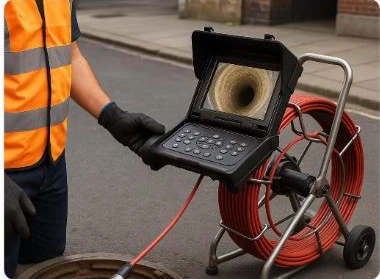
Camera inspection equipment used before sewer pipe lining
01

Identifying Visible Damage

A CCTV sewer camera may reveal cracks, root intrusion, damaged joints, internal obstructions, and standing water.

These findings can help determine which sections may need rehabilitation.

02

Checking Pipe Alignment

Camera footage may show standing water or displaced joints that suggest alignment issues.

However, additional evaluation may be necessary to assess slope and the full extent of deformation.

A camera image alone does not establish every outside condition affecting the pipe.

03

Determining the Lining Length

The inspection can help identify where defects occur and whether they affect a short section or a longer pipe run.

This information supports planning the appropriate liner length.

04

Confirming Access and Connections

The inspection should consider existing connections and the available access points.

A lining project needs a plan for any connected drains or branches affected by the installation.

Our sewer camera inspection service guide explains the diagnostic process in greater detail.

FROM INSPECTION TO FINAL CHECKS

How Sewer Pipe Lining Is Installed

The exact installation process varies depending on the lining product, resin system, pipe conditions, and contractor's equipment.

The following steps explain a typical CIPP rehabilitation workflow.

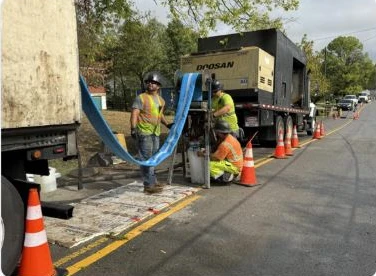
CIPP liner installation at a sewer rehabilitation project
01

Step 1 — Inspect the Existing Sewer Pipe

The work begins with evaluating the host pipe.

A camera inspection may help establish the visible defects, pipe geometry, and locations of existing connections.

The contractor should confirm whether the selected lining method is technically suitable.

02

Step 2 — Clean and Prepare the Pipe

The existing pipe usually requires cleaning before lining.

Roots, debris, grease, scale, or other deposits may interfere with installation.

The cleaning method should match the condition of the pipe.

Aggressive cleaning equipment may be inappropriate for severely deteriorated piping.

After cleaning, the line may be inspected again to confirm that preparation is adequate.

03

Step 3 — Measure and Prepare the Liner

The liner must be selected and prepared for the pipe's dimensions and the intended rehabilitation requirements.

Depending on the product, preparation may involve a resin-impregnated liner manufactured or prepared for the project.

The liner thickness and material system must be suitable for the application.

04

Step 4 — Insert and Position the Liner

The liner may be pulled into the pipe or installed through an inversion process.

The selected method positions the liner against the host pipe's internal surface.

Installation controls help maintain the required shape and contact.

The contractor must account for bends, pipe transitions, connections, and other site conditions.

05

Step 5 — Cure the Liner

The resin system is cured according to the manufacturer's procedure and project requirements.

Possible curing methods include controlled hot water, steam, or ultraviolet light, depending on the selected technology.

Temperature, exposure, time, and other process controls can affect the finished product.

A project must use the procedures required for its specific lining system.

06

Step 6 — Reopen Applicable Connections

Some sewer pipes have lateral or branch connections that must remain functional.

Where lining covers these connections, suitable equipment may be used to reinstate their openings after curing.

Improper reinstatement can restrict drainage or damage the finished liner.

07

Step 7 — Inspect the Completed Lining

The finished liner should be evaluated using methods appropriate to the project.

Post-installation camera inspection can help identify visible installation defects, obstructions, connection problems, or other concerns.

Additional acceptance testing may be required by the specifications or applicable authority.

☎

Call to Ask About the Sewer Pipe Lining Process: +1 (321) 425-1571

Ask about inspection, preparation, curing, and post-installation checks.

Contact Us →

Sewer Pipe Lining vs. Spot Repair vs. Replacement

The most appropriate repair depends on how much of the sewer pipe is damaged and whether the existing line is suitable for rehabilitation.

MethodGenerally suitable forMain consideration
Localized pipe repairIsolated damage in an otherwise serviceable pipeMay require excavation at the defect
CIPP sewer liningSuitable existing pipe requiring internal rehabilitationRequires preparation and appropriate pipe geometry
Pipe burstingCertain replacement projects with suitable underground conditionsInstalls a new pipe and may need access pits
Traditional replacementSevere damage, collapse, or alignment problemsAllows direct removal and repositioning

Which Option
Fits Your Pipe?

  • Accurate diagnosis
  • Clear explanation
  • Options that fit your needs
  • Long-lasting results
☎   Call Now
+1 (321) 425-1571

When a Spot Repair May Be Better

If a defect affects only a short, accessible section, localized repair may be reasonable.

For example, a damaged joint beneath an open landscaped area may not justify rehabilitating a much longer pipe.

The surrounding pipe condition should still be evaluated.

When Pipe Lining May Be Better

Lining may be worth considering when multiple suitable defects affect a pipe running beneath finished surfaces.

The method can reduce the need for continuous excavation.

Its suitability must be supported by inspection and design, not simply the desire to avoid digging.

When Replacement May Be Necessary

Replacement may be appropriate when the pipe has major structural failure, severe misalignment, or other conditions that prevent suitable rehabilitation.

Visit our sewer line replacement page for more information about partial replacement, pipe materials, and excavation planning.

WHY PROPERTY OWNERS CONSIDER LINING

Benefits of Sewer Pipe Lining

Pipe lining can provide several practical benefits when correctly selected for the existing sewer system.

Reduced Surface Disruption

A suitable lining project may avoid excavating along the entire pipe route.

This can be helpful when the sewer line runs beneath a driveway, patio, walkway, or landscaped area.

However, access excavation may still be necessary.

Rehabilitation Without Removing the Whole Pipe

Lining can restore function to certain damaged pipes while retaining the original underground route.

This may reduce the need to expose and remove long pipe sections.

Addressing Multiple Suitable Defects

A continuous lining system may rehabilitate several cracks or defective joints within the treated section.

The liner must be designed for the pipe conditions and intended performance.

Potentially Less Surface Restoration

Where excavation is reduced, there may be less paving, concrete, or landscaping to restore.

The actual savings depend on access requirements and the full project scope.

AN HONEST PICTURE

Important Sewer Lining Limitations

Pipe lining also has limitations that should be discussed before approval.

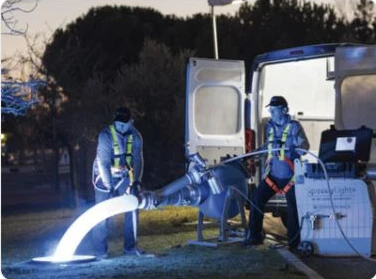
Curing process during CIPP sewer lining installation

Reduced Internal Diameter

Installing a liner takes up some of the original pipe's internal space.

Whether that matters depends on pipe size, liner thickness, hydraulic performance, and system design.

The contractor should confirm that the completed pipe is suitable for the expected wastewater flow.

Existing Slope Problems May Remain

A liner generally follows the existing pipe route.

It does not automatically correct a belly, severe offset, or other significant alignment defect.

Installation Quality Matters

Cleaning, liner selection, positioning, curing, and connection reinstatement are all important.

Defects in any of these stages can affect the finished result.

Material and Curing Controls Are Necessary

Some CIPP systems involve resins and curing processes that require controlled handling, ventilation, environmental precautions, and appropriate worker protection.

Residents should understand any temporary restrictions, odors, or safety precautions specific to the selected material and installation method.

Lining Is Not Always the Lowest-Cost Option

Equipment, preparation, pipe access, and project length can make lining more or less economical than other repairs.

A comparison should consider the complete work and any necessary restoration.

TAILORED TO THE PROPERTY

Residential and Commercial Sewer Pipe Lining

A lining project should reflect the building's pipe layout, access conditions, and how the drainage system is used.

Residential Sewer Pipe Lining in Irvine

Residential sewer laterals may run beneath areas that are inconvenient to excavate.

The layout of the home, available cleanouts, underground utilities, and existing pipe condition affect whether lining is practical.

Sewer Lines Beneath Driveways. A sewer lateral beneath finished concrete may be a candidate for lining when pipe condition and access are suitable. The potential advantage is reducing the need for continuous driveway excavation. However, this cannot be guaranteed before evaluation.

Pipes Beneath Patios and Landscaping. Landscaping, irrigation systems, paved walkways, and patios can make traditional excavation more disruptive. Lining may reduce the affected surface area where the existing pipe qualifies.

Older Underground Sewer Piping. Some older properties have clay, cast iron, or other sewer materials. The material alone does not determine whether lining is appropriate. Actual deterioration, pipe geometry, and connection conditions matter more.

Commercial Sewer Pipe Lining

Commercial properties may have longer sewer runs, different pipe sizes, and more connections than single-family homes.

A lining project should account for the building's wastewater use and operational needs.

Planning Around Building Occupancy. Installation may require temporary restrictions on wastewater discharge through the affected line. Property managers should understand which fixtures or tenant spaces could be affected.

Multiple Lateral Connections. Commercial systems may have several branch connections. The lining plan must account for each connection that needs to remain in service.

Access and Restoration. Parking areas, loading zones, walkways, and other finished surfaces can make excavation disruptive. Lining may reduce disturbance where the system is technically suitable.

Sewer Pipe Lining Cost in Irvine, CA

The cost of sewer pipe lining depends on the existing pipe, the selected lining system, and the work needed to prepare and complete the rehabilitation.

An accurate assessment should establish whether lining is suitable before treating it as the preferred solution.

Discuss Your Project →
◩

Pipe Length and DiameterLonger and larger sections need more material and work.

⚙

Cleaning and PreparationRoot removal, debris clearing, and surface prep.

⚒

Access RequirementsCleanouts or additional excavation.

🧪

Liner Materials and Curing MethodSystem, equipment, and curing procedures.

▦

Connections and ReinstatementNumber and complexity of branch connections.

✓

Post-Installation InspectionTesting and acceptance procedures.

☎

Call to Discuss Sewer Pipe Lining Costs: +1 (321) 425-1571

An accurate estimate follows an assessment of the pipe and selected lining system.

Contact Us →
PROPERTY-SPECIFIC PLANNING

Irvine Sewer Lateral Lining, Permits, and Property Considerations

Sewer rehabilitation projects in Irvine should account for the property's underground drainage system and applicable local requirements.

Sewer Lateral Responsibility

A sewer lateral carries wastewater from the property toward the receiving sewer system.

Responsibility for individual portions may depend on utility rules, ownership records, easements, and connection locations.

Before planning work, confirm who is responsible for the affected pipe.

Plumbing Permits and Inspections

The City of Irvine's published plumbing guidance generally identifies sewer line repairs and alterations as work that may require permits.

Lining requirements should be confirmed for the proposed method and property.

Some projects may also involve approvals from the relevant sewer utility or HOA.

Irvine Property Layouts

Irvine includes detached homes, townhouses, multifamily properties, and commercial developments.

The sewer line's location beneath landscaping, paving, courtyards, or other features affects installation planning.

Neighborhood age does not establish the condition of every pipe within that neighborhood.

A property-specific inspection provides more useful information.

QUESTIONS BEFORE YOU APPROVE WORK

Questions to Ask Before Approving Sewer Pipe Lining

A sewer lining proposal should explain why the existing pipe qualifies for rehabilitation.

Ask what damage was identified, how the line will be prepared, and which lining system is proposed.

Also ask how the contractor will verify curing, reinstate branch connections, and inspect the completed work.

If the pipe has significant standing water, displacement, or deformation, ask how those conditions will be addressed.

Discuss excavation requirements, permits, restoration, wastewater service interruptions, and any installation-specific safety precautions.

Where available, request the pre-installation findings and post-installation documentation.

Can sewer pipe lining repair a cracked underground pipe?

Sometimes. Certain cracks and defective joints may be suitable for internal rehabilitation when the existing pipe meets the selected lining system's requirements.

The extent of damage, pipe geometry, access, and structural needs must be evaluated.

A severely collapsed or misaligned section may require excavation or replacement instead.

How long does cured-in-place sewer lining last?

The expected service life depends on the product, design requirements, installation quality, operating conditions, and ongoing use.

Some lining systems are designed for long-term rehabilitation, but a specific lifespan should not be promised without supporting product and project documentation.

Ask what performance criteria and warranties, if any, apply to the actual installation.

Does sewer pipe lining make the pipe smaller?

Yes. An internal liner occupies some space inside the original pipe.

The effect on wastewater flow depends on the pipe diameter, liner thickness, and completed internal surface.

The rehabilitation design should confirm that the finished pipe can handle the required flow.

Can a sewer pipe with tree roots be lined?

Sometimes. Roots may need to be removed and the pipe cleaned before a lining assessment.

The contractor must determine whether the pipe opening, geometry, and structural condition remain suitable.

Removing roots does not automatically mean the host pipe qualifies for lining.

Can lining fix a sewer pipe belly?

Not automatically. A belly is a low section caused by a change in pipe slope or support.

An internal liner generally follows the existing route and does not lift a sagging section into the correct alignment.

A significant belly may require excavation and regrading.

Is sewer pipe lining completely excavation-free?

Not always. Some projects can use existing access points, while others require pits or localized excavation.

Connections, pipe preparation, and access limitations can affect the amount of digging needed.

The contractor should identify expected excavation areas before the work begins.

Is pipe lining better than replacing a sewer line?

Neither method is always better.

Lining can be appropriate for certain damaged pipes with suitable geometry and structural conditions.

Replacement may be preferable when damage is severe or rehabilitation cannot address the underlying problem.

A reliable recommendation should explain the tradeoffs.

How long does a sewer lining project take?

The duration depends on cleaning, pipe length, liner installation, curing, connection reinstatement, inspections, and site conditions.

Different curing technologies require different procedures.

A contractor should provide an estimated schedule based on the selected method and actual project scope.

Does sewer pipe lining require permits in Irvine?

Sewer alterations and repairs may require plumbing permits under City of Irvine requirements.

The applicable process depends on the work and jurisdiction.

Confirm permit, inspection, and utility approval requirements before the lining project begins.

What should be checked after CIPP lining is installed?

Post-installation evaluation may include CCTV inspection, review of visible liner condition, confirmation that necessary connections are open, and any required acceptance testing.

The exact checks depend on the selected system and project specifications.

Ask what documentation will be provided when the work is complete.

Call About Sewer Pipe Lining in Irvine, CA

An underground sewer pipe does not always need complete replacement when it develops cracks, defective joints, or internal deterioration.

Cured-in-place lining and other rehabilitation methods may provide alternatives when the existing pipe is suitable.

The key is understanding the condition of the sewer line and whether the selected method can address the confirmed defects.

If your sewer lateral passes beneath a driveway, patio, landscaped area, or another difficult-to-access location, ask whether an internal lining assessment may be appropriate.

Call to Discuss Sewer Pipe Lining: +1 (321) 425-1571

Irvine, California — Sewer Pipe Rehabilitation and CIPP Lining Information

☎   Call Now +1 (321) 425-1571Schedule an Inspection
☎   Call Now +1 (321) 425-1571