TRUSTED SEWER LINE EXPERTS IN IRVINE

Sewer Line Repair
in Irvine, CA

A damaged sewer line can disrupt your entire property. Toilets may back up, several drains may slow down, or sewage odors may appear without an obvious cause. These problems point to a restriction, blockage, cracked or collapsed pipe, or a section of sewer line that has started to fail.

Irvine Sewer Line Repair is a service we provide for property owners dealing with sewer line problems in Irvine, California. Whether you're dealing with a recurring backup, slow drains, foul odors, or a damaged sewer pipe, our goal is accurate diagnosis and only the repair approach your property needs.

We provide expert diagnosis and long-lasting repair solutions.

📍

Proudly Serving
Irvine, CA
And Surrounding
Communities

⬡Local Irvine
Experts
⚙Advanced
Diagnostic Equipment
♟Honest Recommendations
& Lasting Solutions
◷Fast Response
For Urgent Problems

Signs You May Need Sewer Line Repair

Problems with an underground sewer line are not always visible. Most people first notice changes inside the home, particularly when wastewater cannot flow away normally. One slow sink does not automatically mean your main sewer line is damaged. However, problems affecting several fixtures or returning soon after drain cleaning deserve closer investigation.

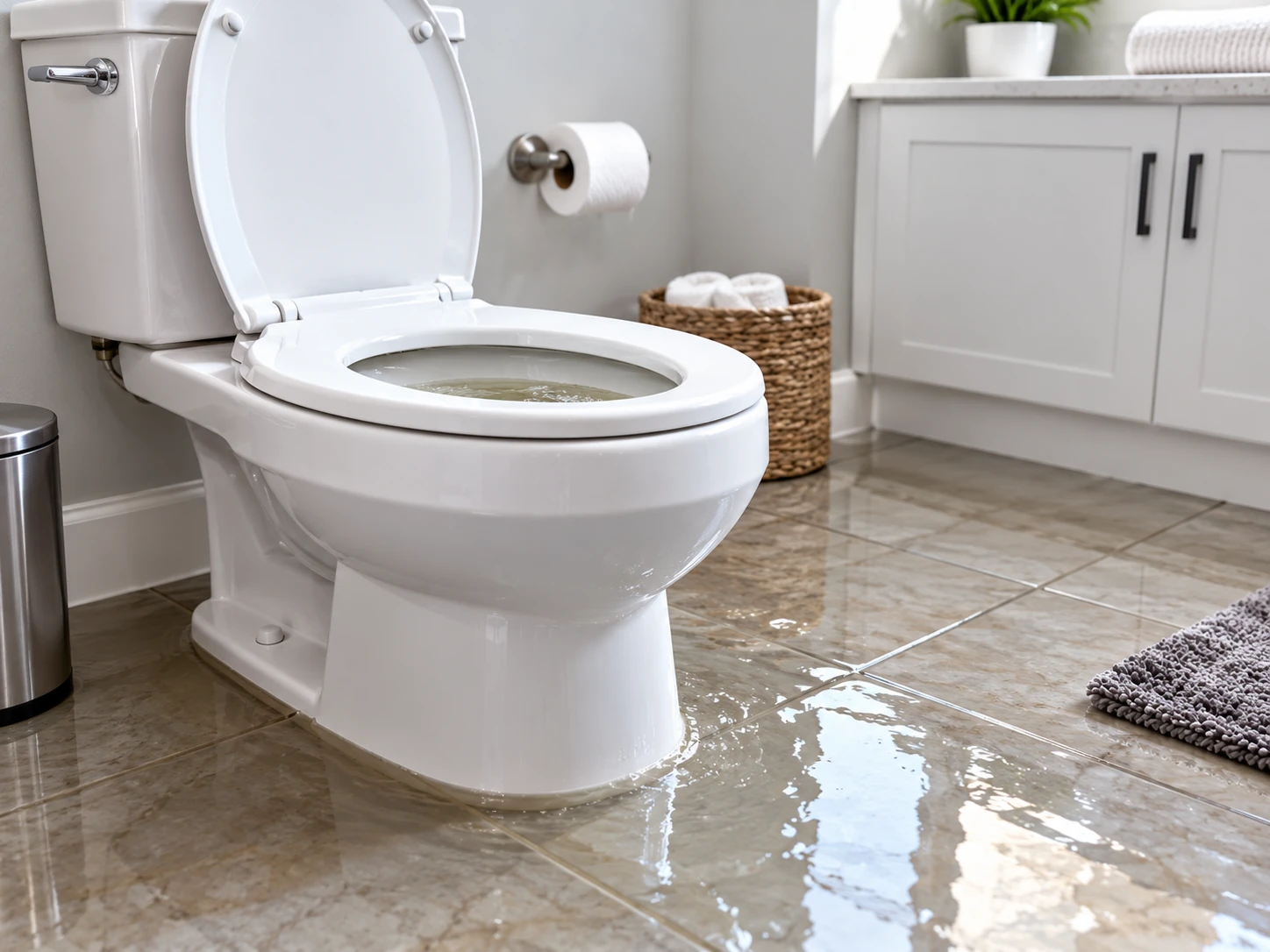
Bathroom toilets indicating sewage backups

Frequent Sewage Backups

Wastewater coming back through a shower, toilet, or floor drain can indicate a blockage in a shared drain or sewer lateral. Stop using affected plumbing fixtures and arrange an assessment.

If sewage enters living areas, keep people and pets away from contaminated water. Avoid contact with electrical equipment in wet areas.
Slow draining kitchen sink

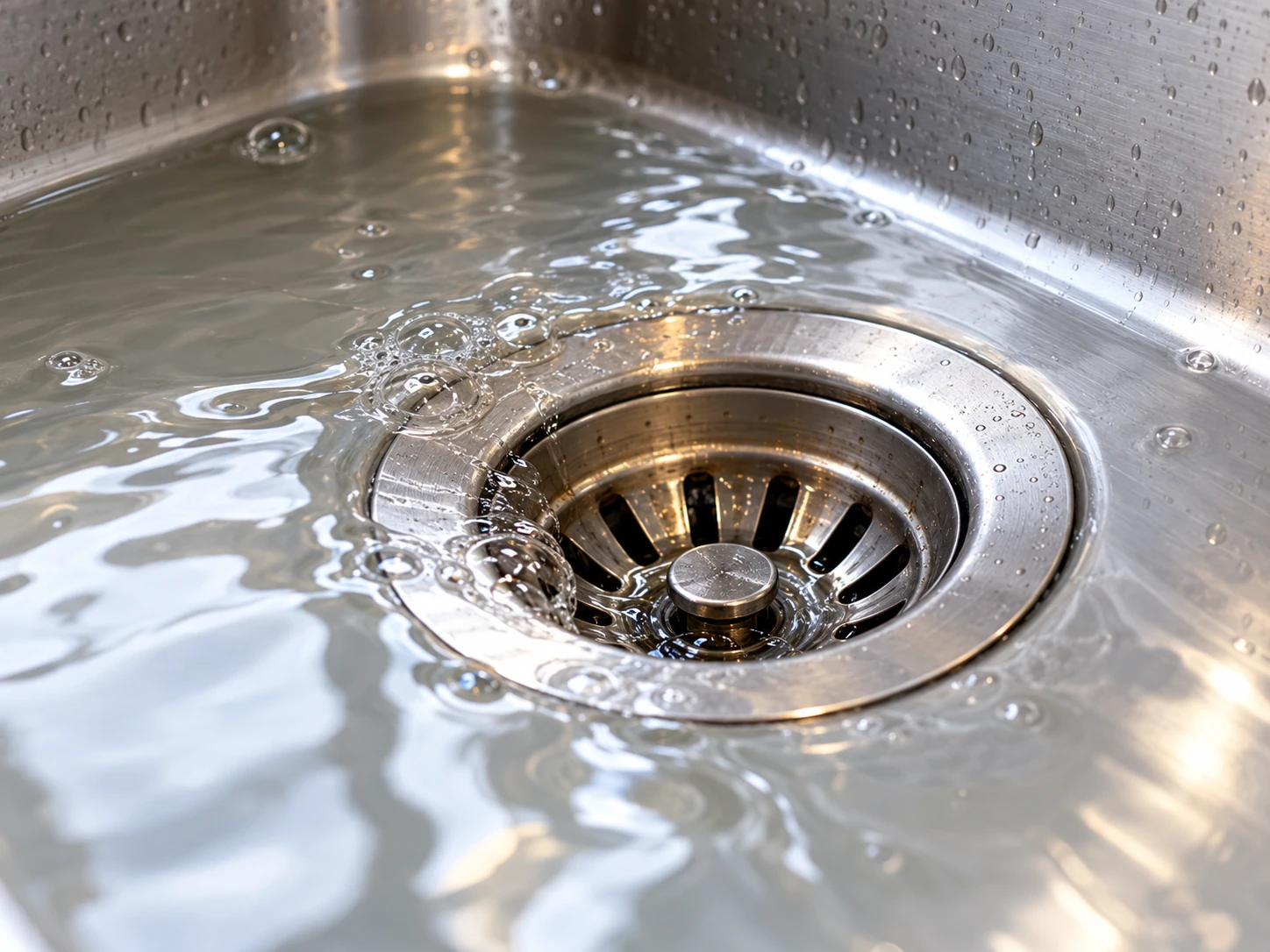
Multiple Slow Drains

When several drains become slow around the same time, the problem may be farther downstream than an individual fixture.

A restriction in the building drain or main sewer lateral can affect multiple bathrooms, kitchen drains, and laundry connections.

Sewer odors near green yard

Sewer Odors Around Your Property

Persistent sewage smells can result from several problems, including dry traps, venting defects, drain blockages, or leaking sewer piping.

The odor's location and timing may help narrow the investigation, but smell alone cannot confirm an underground sewer leak.

Wet green patches around damaged sidewalk

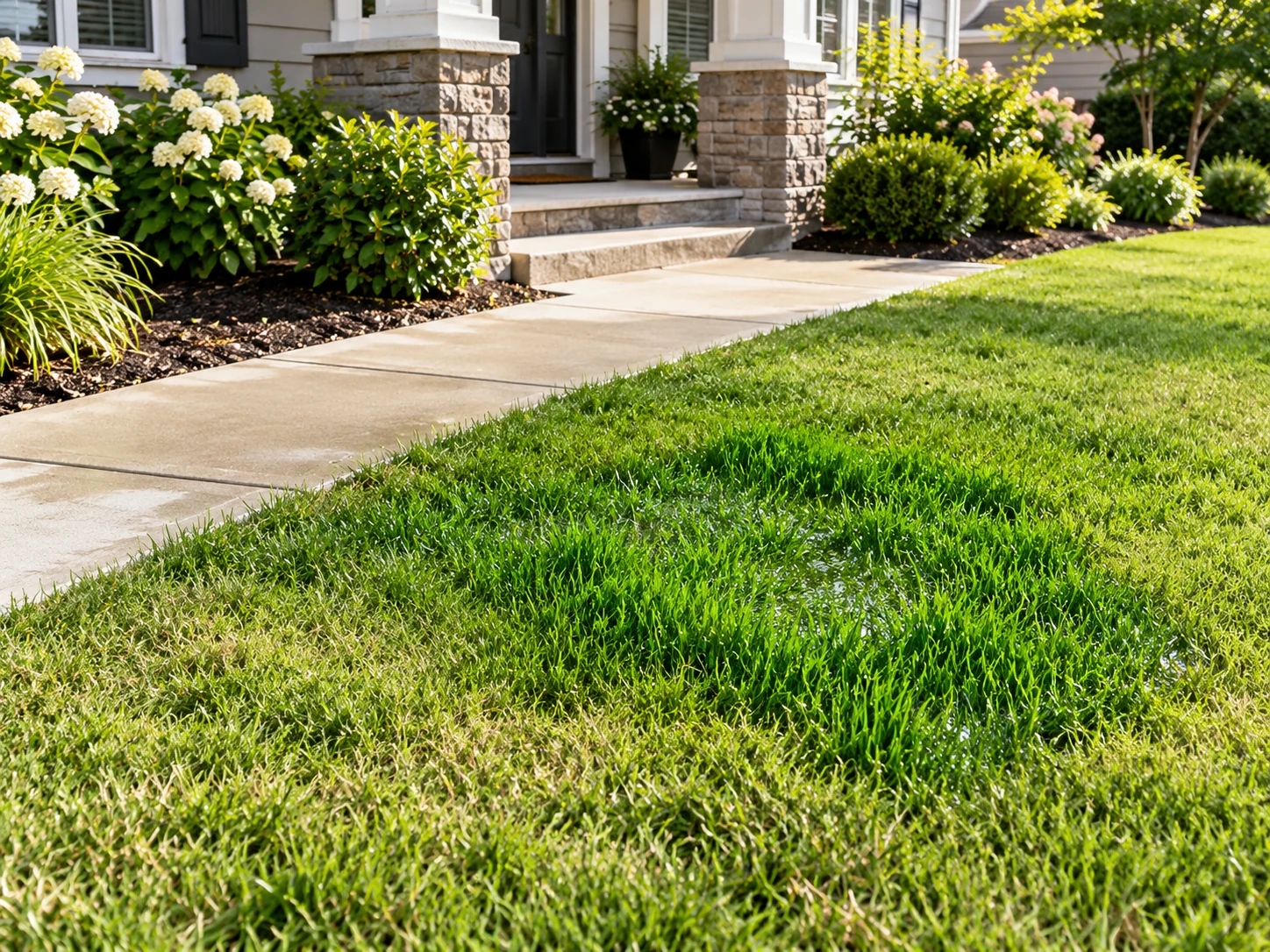
Wet or Unusually Green Areas in Your Yard

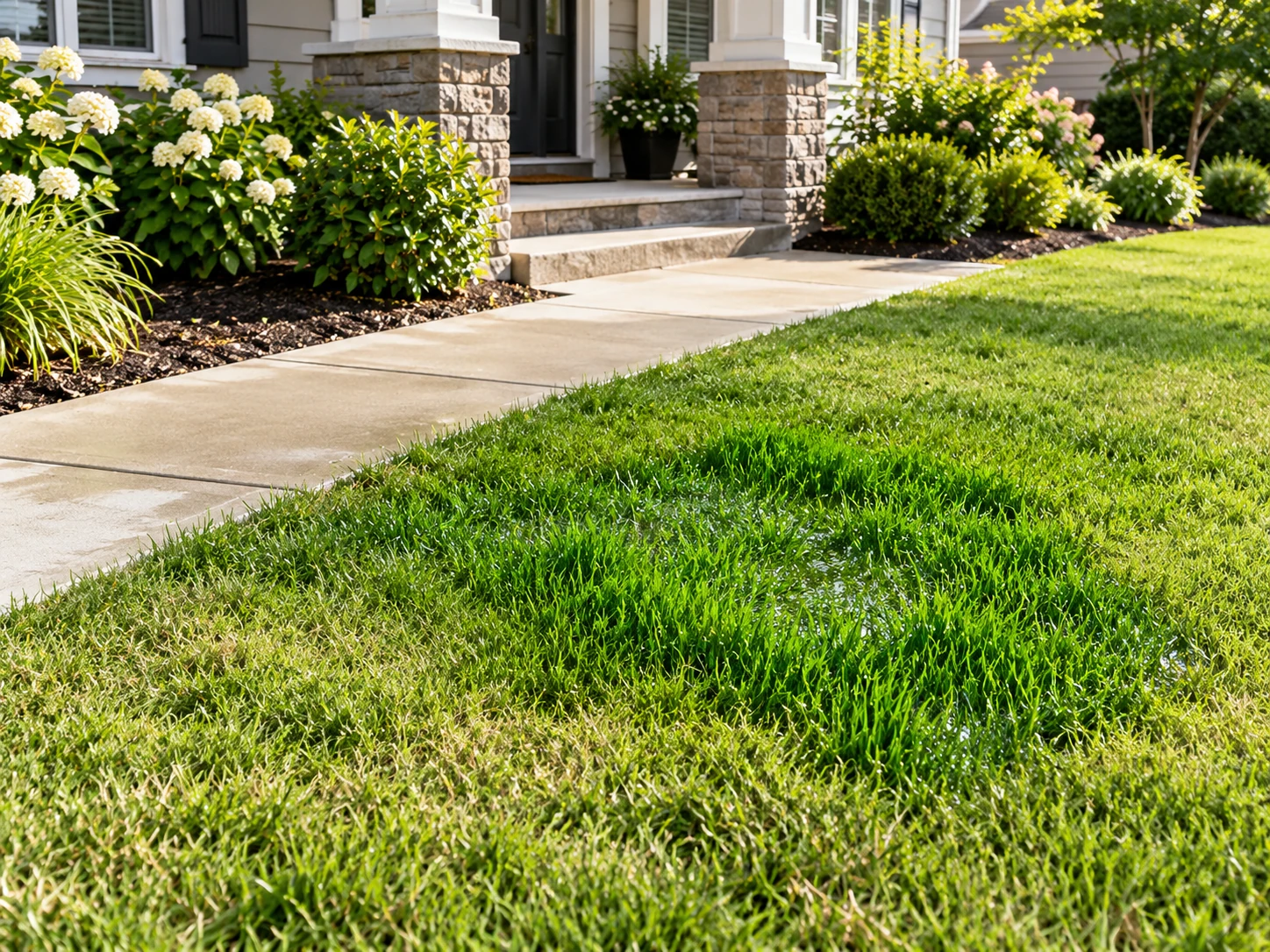
A persistently damp patch above a buried sewer line may raise concern about wastewater escaping into surrounding soil.

However, irrigation leaks, poor drainage, and landscaping conditions can produce similar symptoms. Further investigation is needed before digging.

Damaged blocked sewer pipe

Recurring Blockages and Gurgling Fixtures

If a sewer line repeatedly clogs after cleaning, the underlying problem may remain in the pipe.

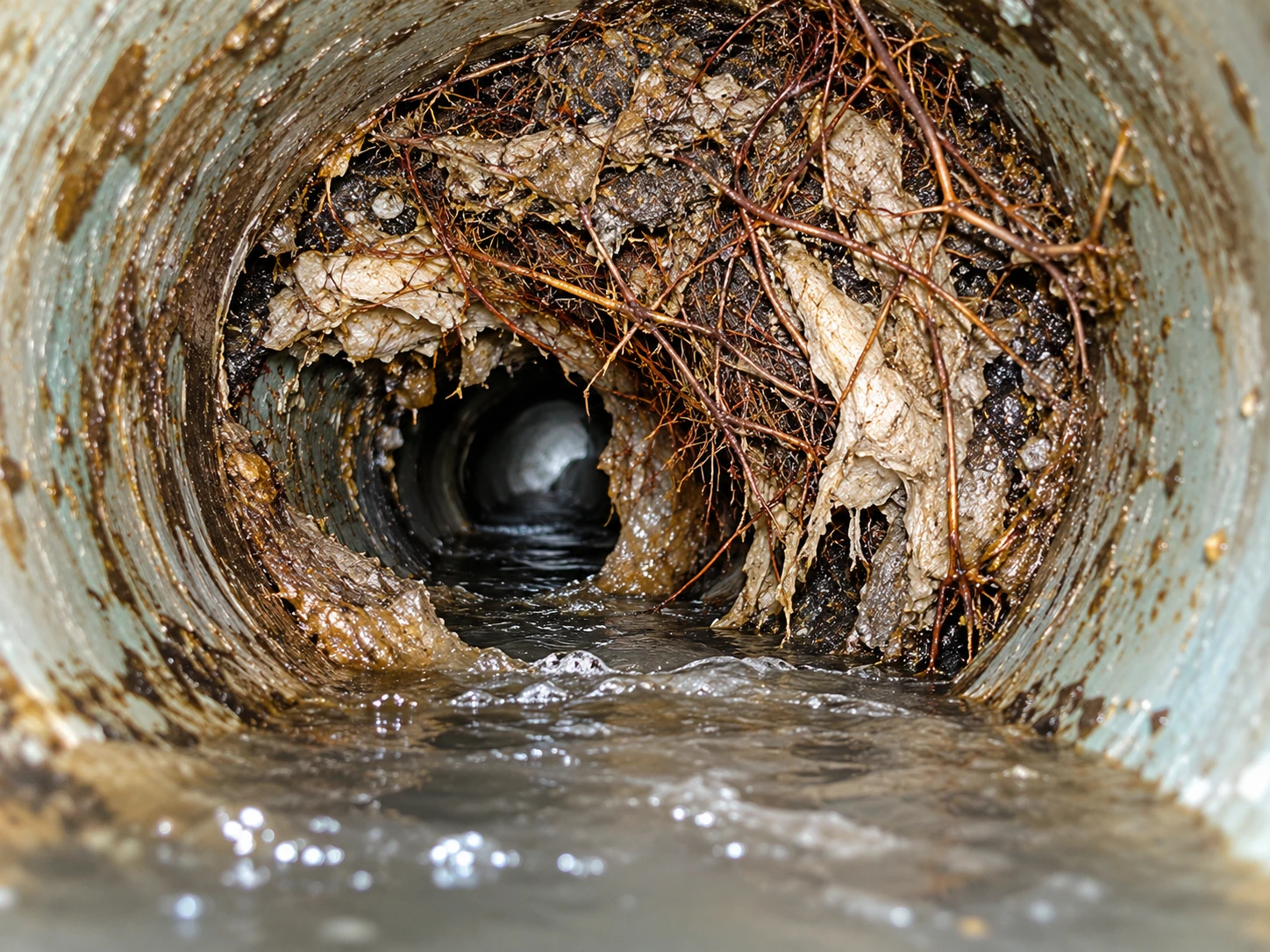
Root intrusion, a displaced joint, a sagging section, or internal pipe deterioration can restrict flow. A professional inspection may help identify why the problem keeps returning.

If these warning signs sound familiar, call to discuss the affected fixtures, symptoms, and previous repair history.

☎

Not Sure What's Causing the Problem?

Talk to a local sewer line expert in Irvine. We'll help you understand your options.

☎   Call Now +1 (321) 425-1571

Sewer Line Repair Services in Irvine

Different sewer problems require different approaches. A pipe with a small damaged section may need a targeted repair, while a severely deteriorated line may require more extensive work. Understanding the available services helps you ask the right questions before authorizing repairs.

Technician performing an urgent repair

Emergency
Sewer Repair

An active sewage backup needs prompt attention, especially when wastewater is entering occupied spaces.

The immediate priorities are limiting additional wastewater discharge, keeping people away from contaminated areas, and identifying where the blockage or failure is occurring.

Depending on the findings, the solution may involve clearing an obstruction, repairing a damaged section, or planning a larger replacement.

✖ Learn More →
Sewer camera inspection equipment

Trenchless
Sewer Repair

Traditional sewer repairs sometimes require digging to expose underground piping. Trenchless techniques may reduce the amount of excavation needed.

Methods such as pipe bursting or certain pipe rehabilitation systems can be useful when the existing layout and site conditions are suitable.

However, trenchless work is not appropriate for every damaged line. Severe deformation, unsuitable pipe conditions, or access limitations can change the recommended method.

✖ Learn More →
New sewer pipe replacement

Sewer Line
Replacement

A sewer line may need replacement when damage is widespread or the pipe can no longer provide reliable wastewater flow.

Major pipe collapse, extensive deterioration, or severe alignment problems can make localized repair impractical.

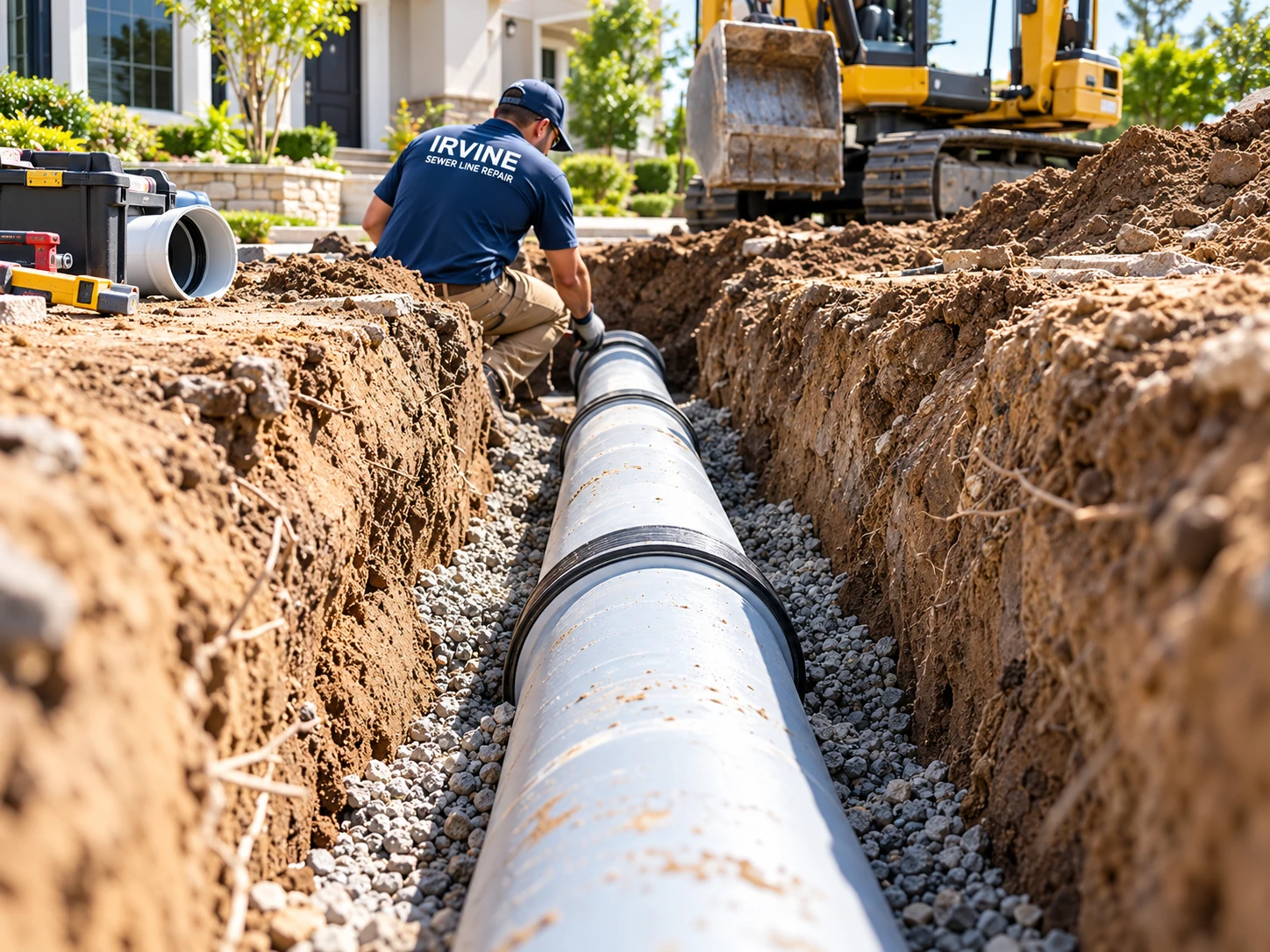
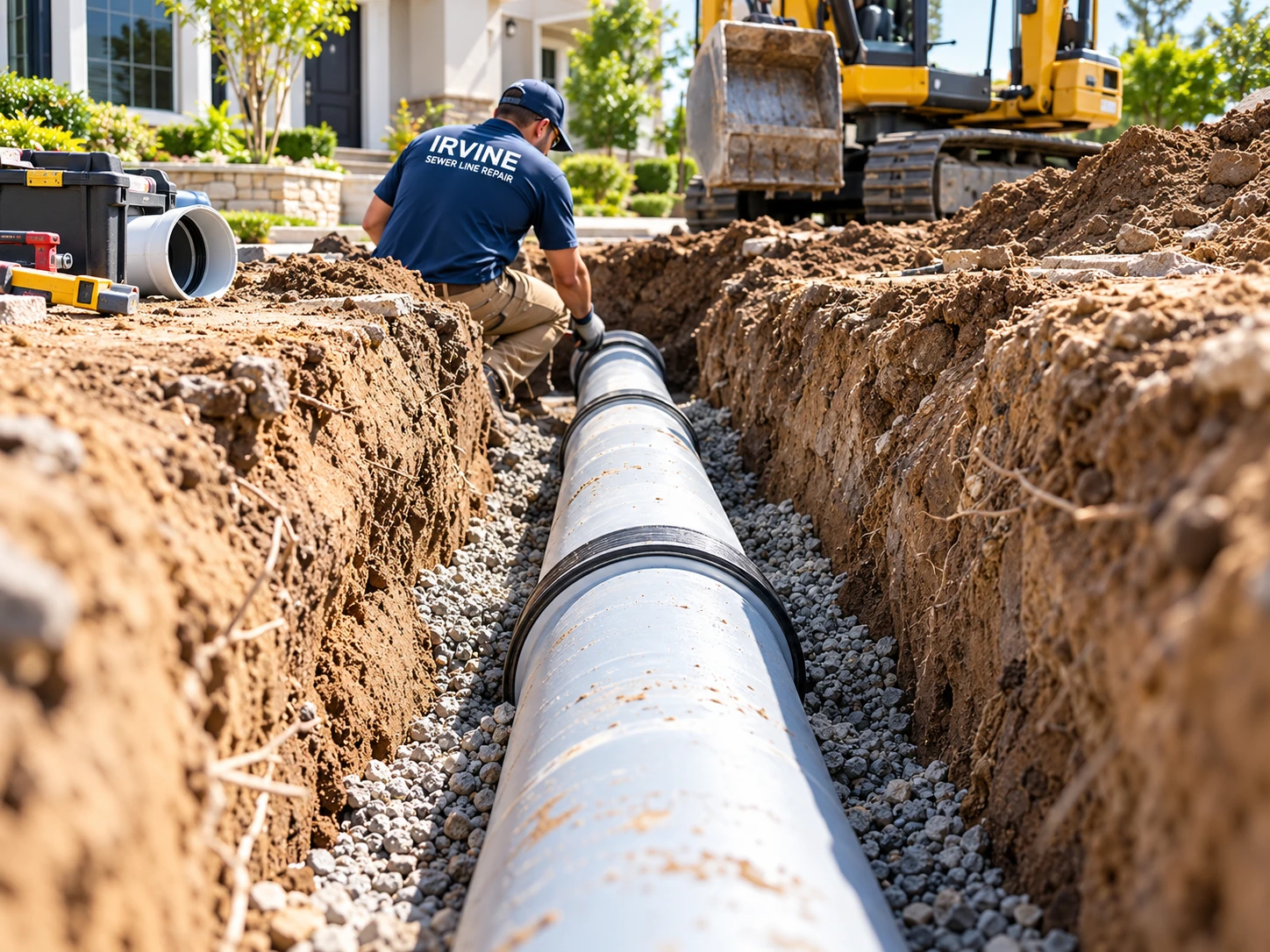
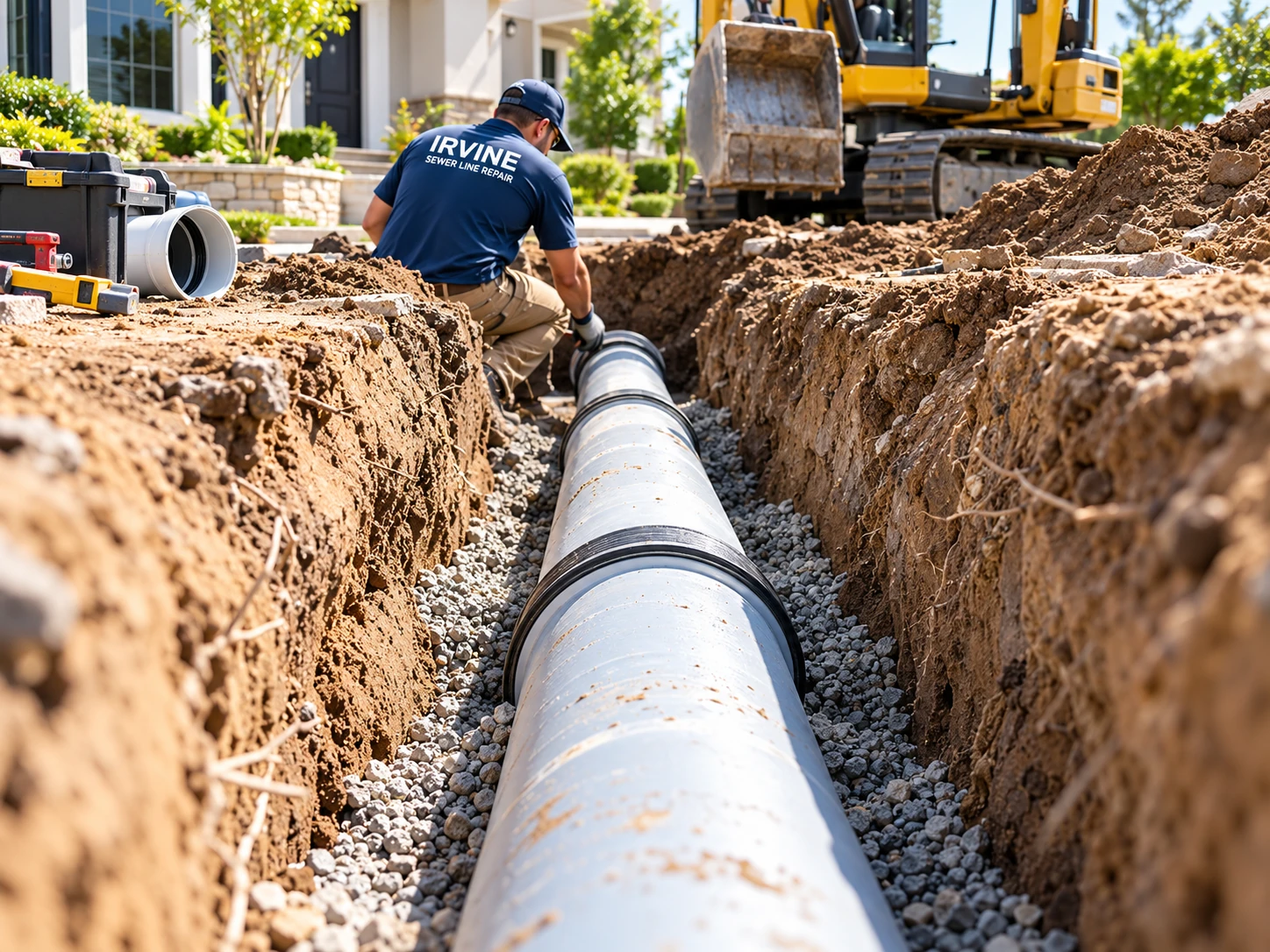
Replacement may involve removing and installing a section of pipe or replacing a longer run. The work can include excavation, new pipe installation, connection work, backfilling, and surface restoration.

✖ Learn More →
Sewer pipe lining interior

Sewer Pipe
Lining

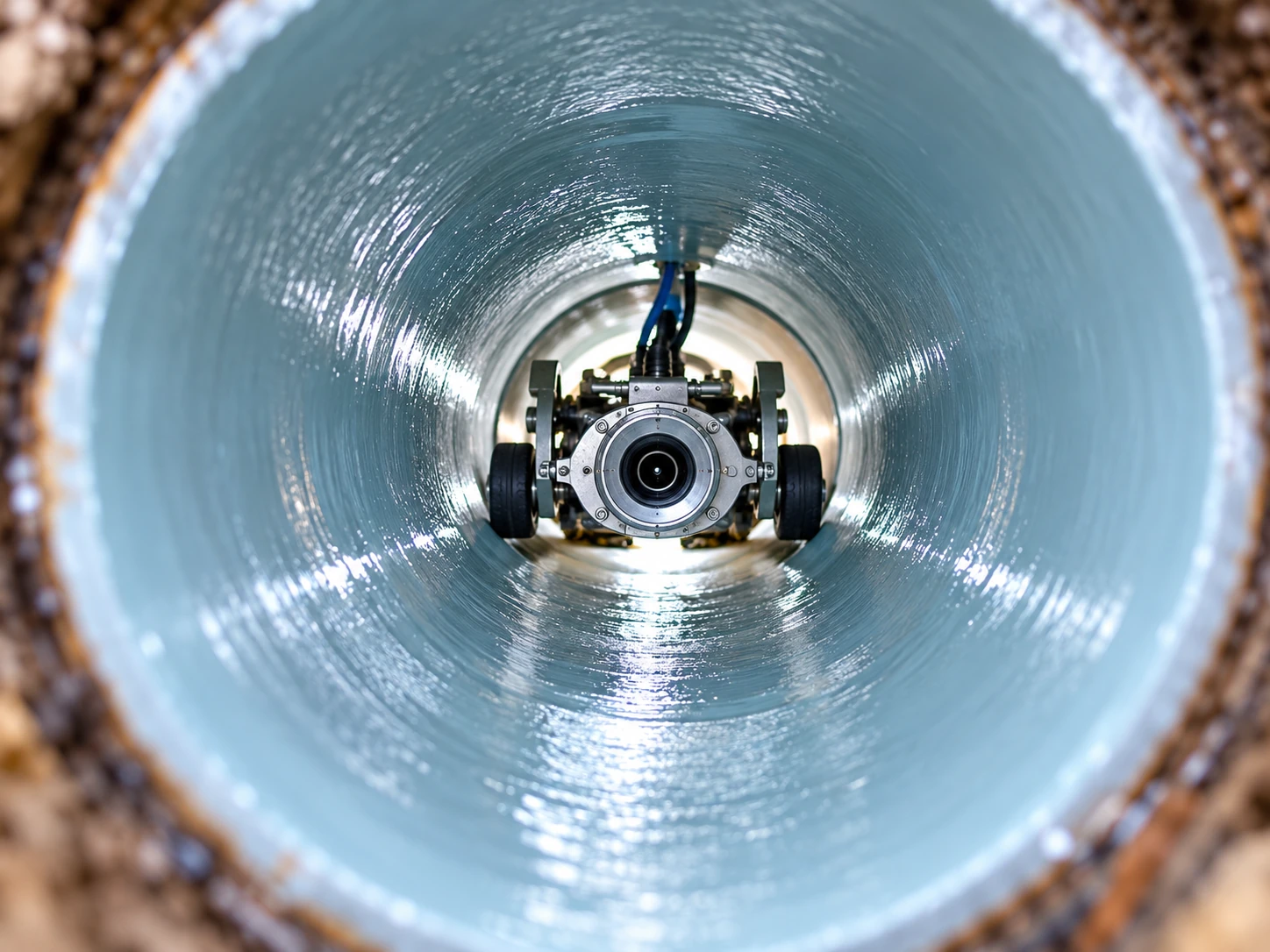
Pipe lining is a rehabilitation method that may restore suitable existing sewer pipes without removing the full pipe run.

One method uses a resin-impregnated liner that cures inside the existing pipe to form a new internal lining. The pipe generally requires cleaning, inspection, and preparation first.

Lining cannot correct every failure. A severely collapsed or unsuitable pipe may require another approach.

✖ Learn More →
Sewer camera inspection monitor

Sewer Camera
Inspection

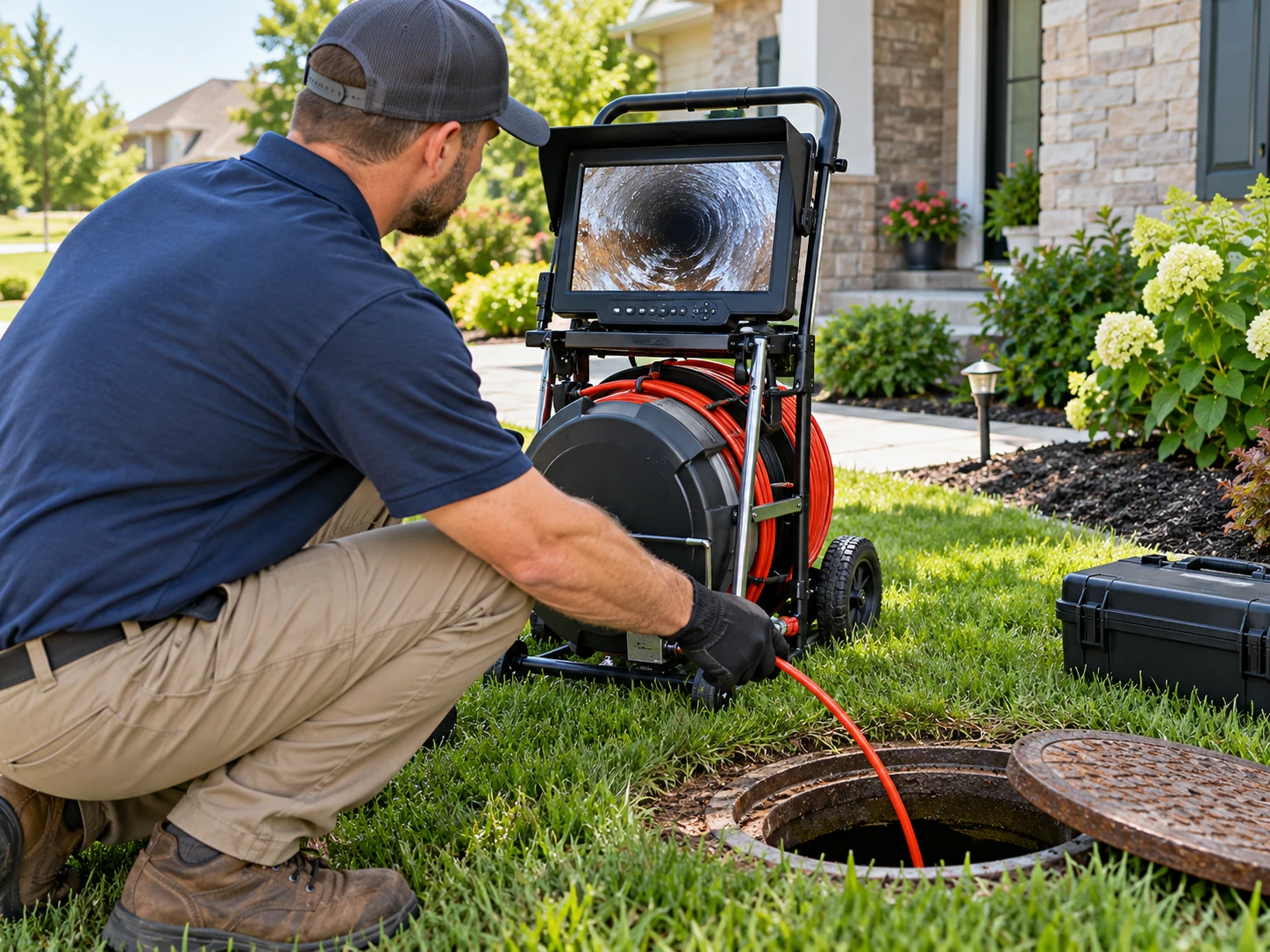
A sewer camera inspection allows a technician to view accessible sections of a pipe from the inside.

The inspection may reveal root intrusion, displaced joints, cracks, standing water, or visible obstructions.

Camera findings can help guide repair decisions, although a camera cannot always determine whether a pipe is leaking or assess hidden conditions outside the pipe.

✖ Learn More →

Common Sewer Line Problems We Help Property Owners Understand

A sewer problem can begin with a blockage, physical pipe damage, poor pipe alignment, or a combination of conditions. The goal is to identify the underlying issue and determine which repairs are justified.

Obstructed sewer pipe

Sewer Backups
and Obstructions

When wastewater cannot move freely through the sewer system, it may back up into the lowest connected fixtures.

A backup can result from grease buildup, intrusive roots, foreign materials, damaged joints, or other restrictions.

Cleaning may restore flow, but repeat incidents can indicate an unresolved defect.

Learn More →
Tree roots inside underground pipe

Tree Roots Inside
Sewer Pipes

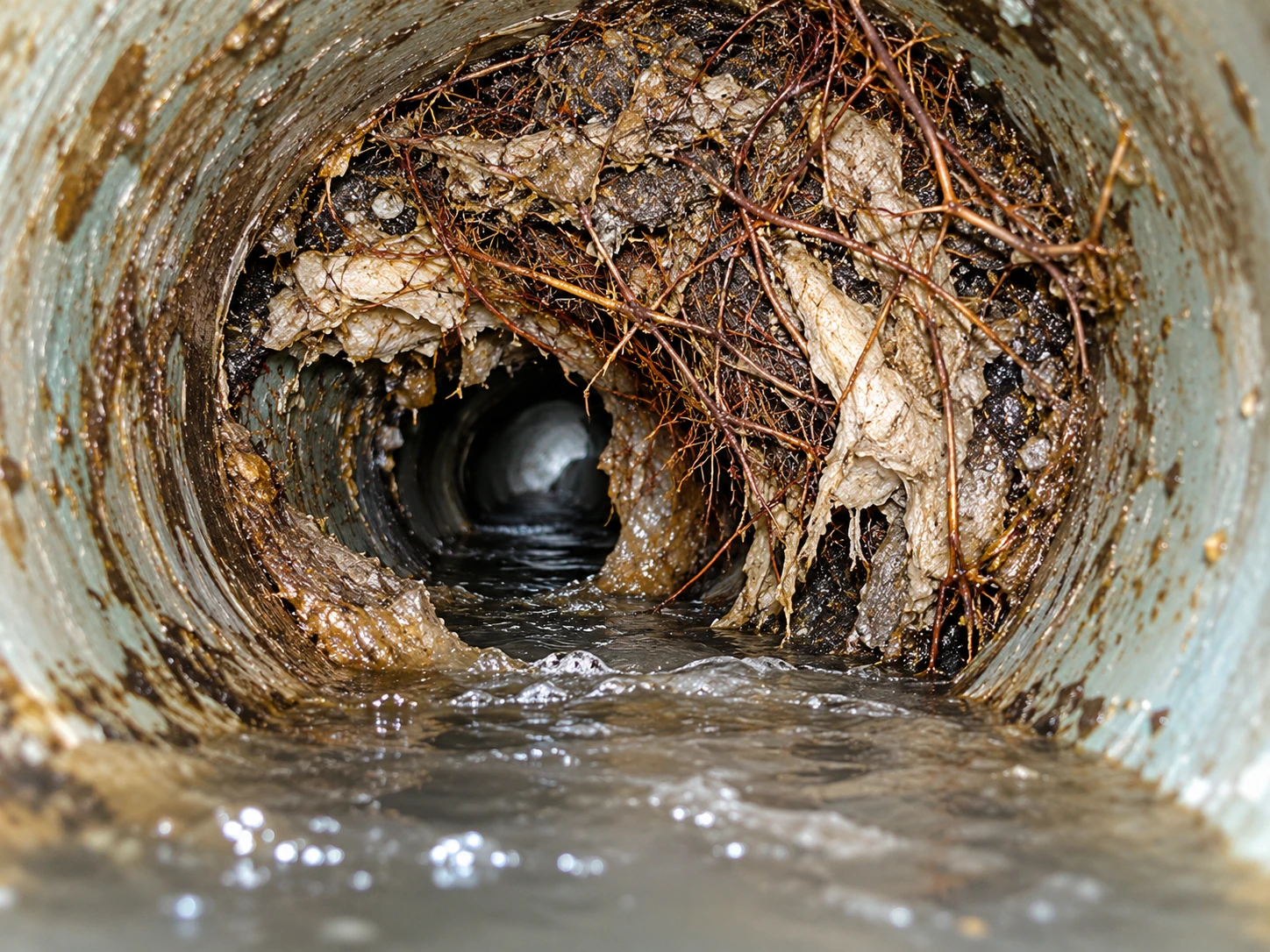
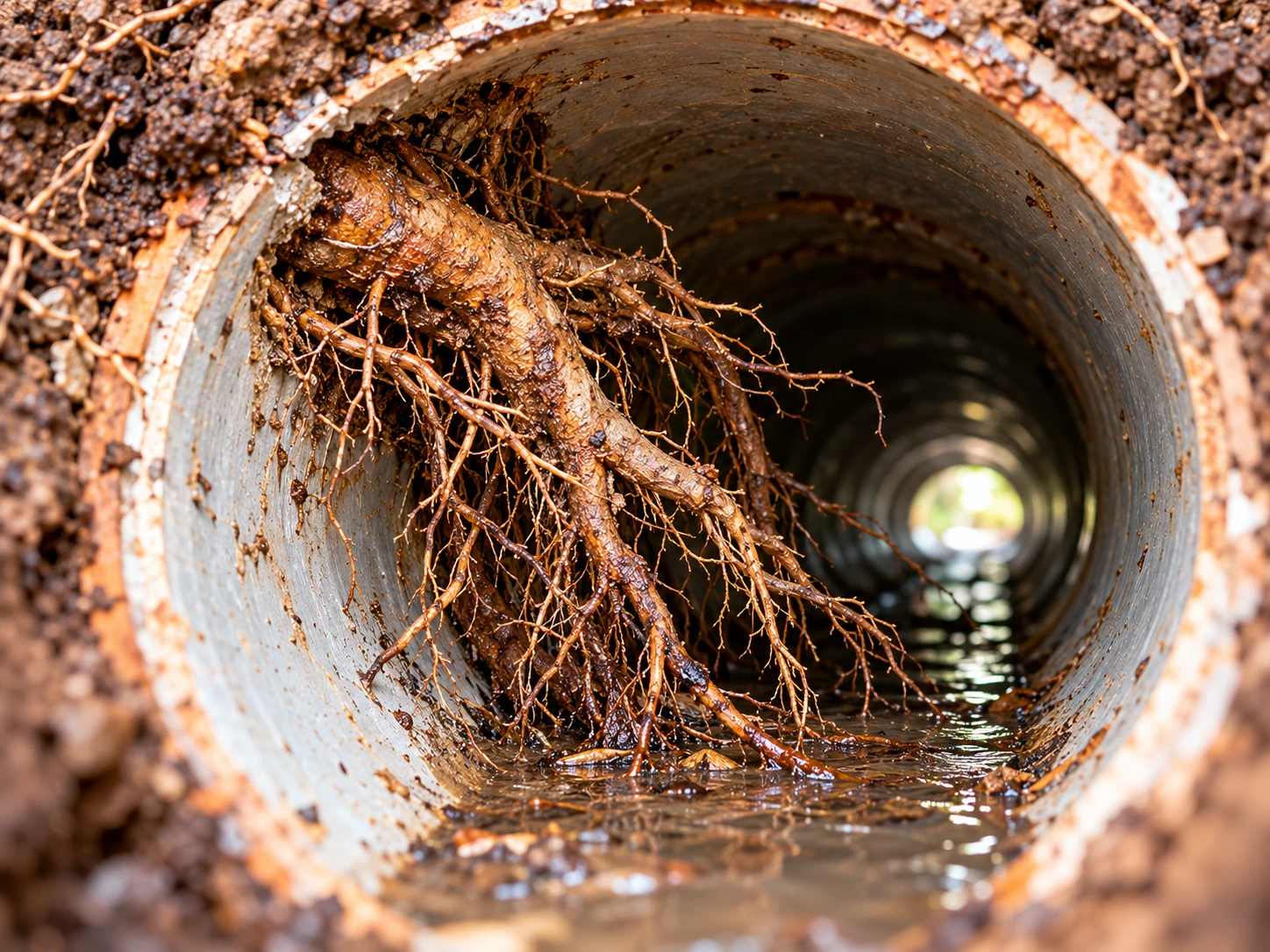
Tree roots can enter underground sewer piping through existing openings, separated joints, or damaged areas.

Once inside, roots may trap waste and gradually reduce the space available for wastewater to pass.

Removing the roots may reopen the pipe, but a damaged entry point can allow the problem to return.

Learn More →
Cracked pipe

Cracked or Broken
Sewer Pipes

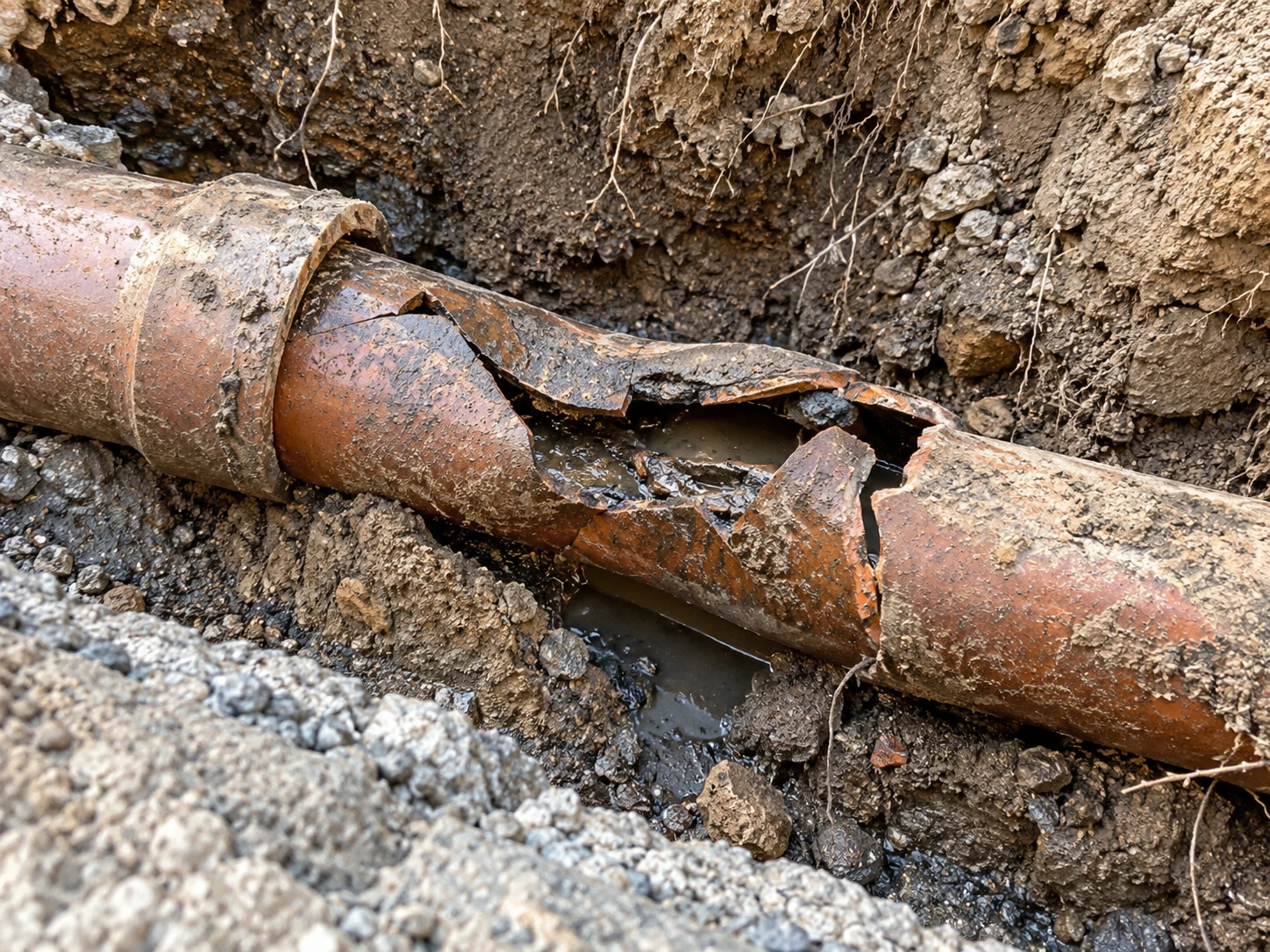
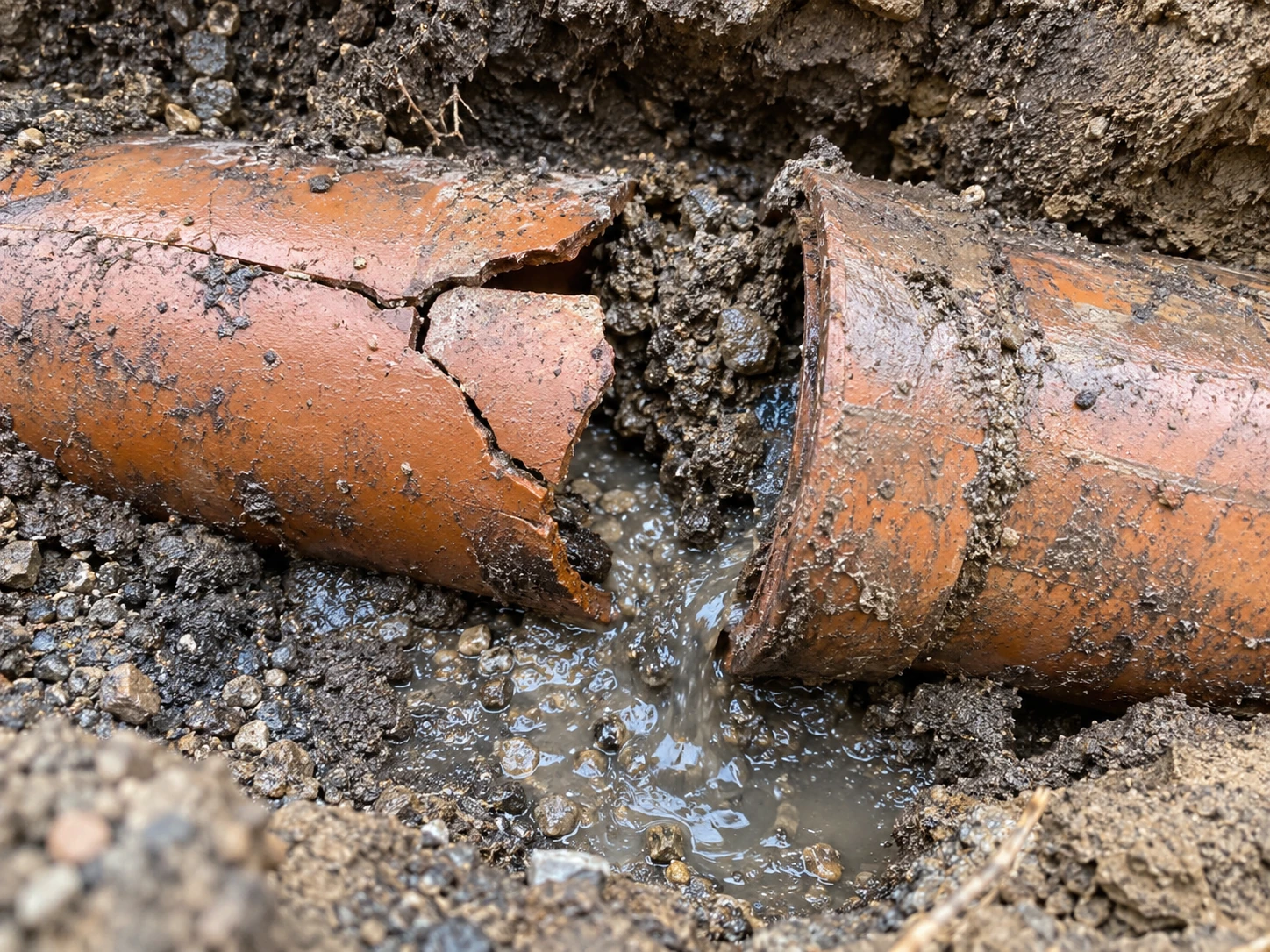
Sewer pipes can develop cracks, fractures, and separated joints through deterioration, movement, or physical damage.

Not every crack requires the same repair. Its location, severity, pipe material, and surrounding conditions matter.

A localized defect may be repairable, while extensive damage can require a broader solution.

Learn More →
Underground sewer leaking

Underground
Sewer Leaks

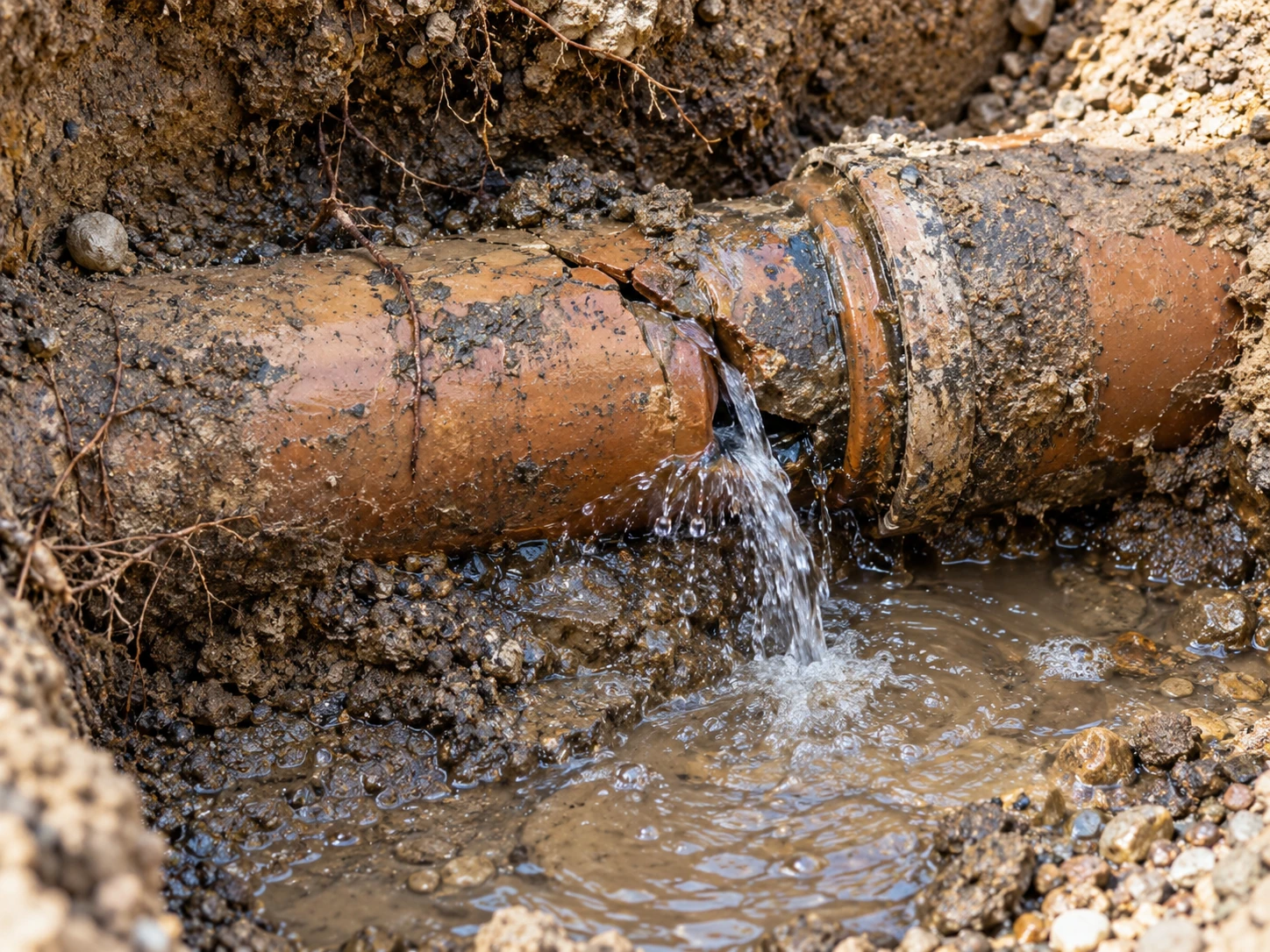
Wastewater escaping from a buried pipe can affect surrounding soil and may be difficult to locate without investigation.

Possible warning signs include persistent moisture, odors, or unexplained ground conditions.

A camera inspection can identify visible defects, but leak confirmation may require other testing or site evaluation.

Learn More →
Collapsed old pipe

Collapsed Sewer
Lines

A collapsed sewer pipe has lost enough structural integrity to restrict or prevent normal wastewater flow.

The cause may involve deterioration, ground movement, or another structural problem.

A fully collapsed section often cannot be restored through ordinary drain cleaning or simple pipe lining.

Learn More →
IRVINE SEWER LINE GUIDE

What Causes Sewer Line Damage in Irvine?

Underground sewer pipes are designed to carry wastewater away from a property, usually through gravity flow. Their condition depends on material, installation quality, maintenance history, surrounding soil, and other site-specific factors.

Irvine contains properties from different construction periods. The pipe material and condition should be established for the individual property rather than assumed from its neighborhood.

Aging or Deteriorating Pipe Materials

Older sewer systems may use cast iron, vitrified clay, or other materials. Newer installations may use PVC, ABS, or approved alternatives.

Each material has different strengths and failure patterns.

Cast iron can experience internal corrosion. Clay pipes may develop cracks or joint displacement. Plastic pipes can be affected by poor installation, excessive loading, or ground movement.

Age alone does not prove that a sewer pipe requires replacement. The actual condition matters more.

Tree Root Intrusion

Roots grow toward conditions that support plant growth, including moisture in surrounding soil.

They may enter an underground sewer pipe through an existing crack, faulty joint, or other opening.

Root growth can trap debris and contribute to repeated clogs. Simply cutting roots may restore flow without resolving the opening they entered through.

Ground Movement and Pipe Misalignment

Underground pipes rely on adequate support and proper slope.

When soil settles or moves, a pipe may shift, separate at joints, or develop a low section where wastewater collects.

A sagging section is often called a belly. Depending on its severity, it may allow sediment and solids to accumulate.

Corrosion and Structural Deterioration

Corrosion can gradually reduce the strength or internal capacity of susceptible sewer pipe materials.

Long-term deterioration may result in rough internal surfaces, holes, thinning walls, or structural failure.

The condition should be evaluated before deciding whether cleaning, localized repair, or replacement is appropriate.

Blockages and Improper Drain Disposal

Grease, wipes, hygiene products, and other unsuitable materials can build up in drainage systems.

Even products marketed as flushable may contribute to blockages.

A structurally sound pipe can still clog, and a damaged pipe may clog more frequently. Diagnosing the difference helps avoid unnecessary repair work.

A DIAGNOSIS-LED APPROACH

How Sewer Line Problems Are Evaluated

A useful sewer inspection begins with the symptoms, not with a decision to excavate or replace a pipe.

The aim is to understand where wastewater flow is restricted, whether physical damage is present, and which options fit the actual pipe condition.

01

Initial Problem Assessment

A technician may ask which fixtures are affected, when the symptoms began, and whether previous cleaning improved the problem.

For example, a single slow bathroom sink can point toward a different issue than sewage returning through multiple fixtures.

Information about earlier backups, previous pipe repairs, and nearby construction can also help direct the investigation.

02

Sewer Cleanout and Access Evaluation

A sewer cleanout is an access point used to inspect or service drainage piping.

Its location, size, and condition can affect which equipment can reach the line.

Some properties have easily accessible cleanouts, while others require additional preparation or a different access point.

Finding the correct access location can help reduce unnecessary disruption.

Sewer Camera Inspection

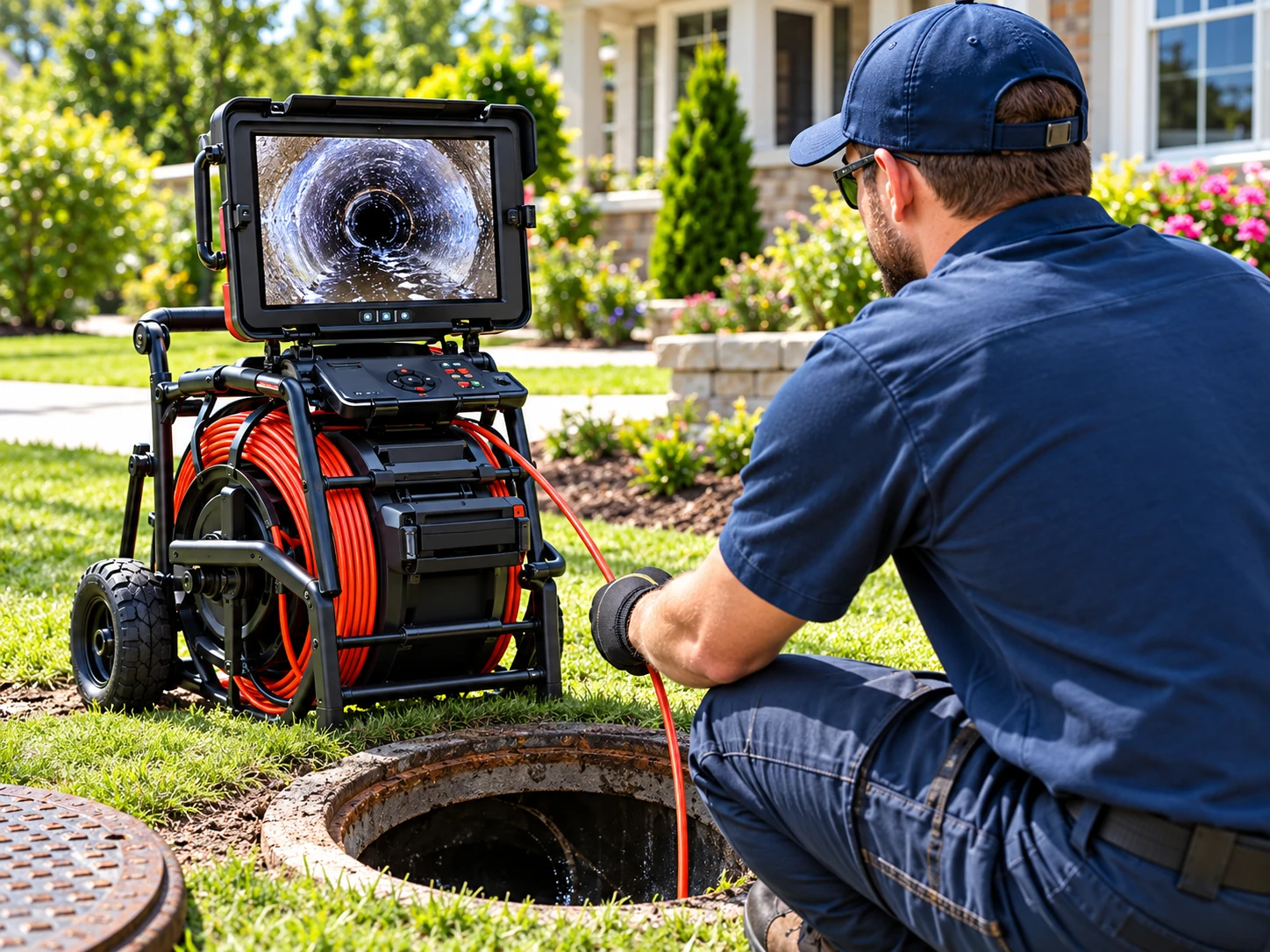
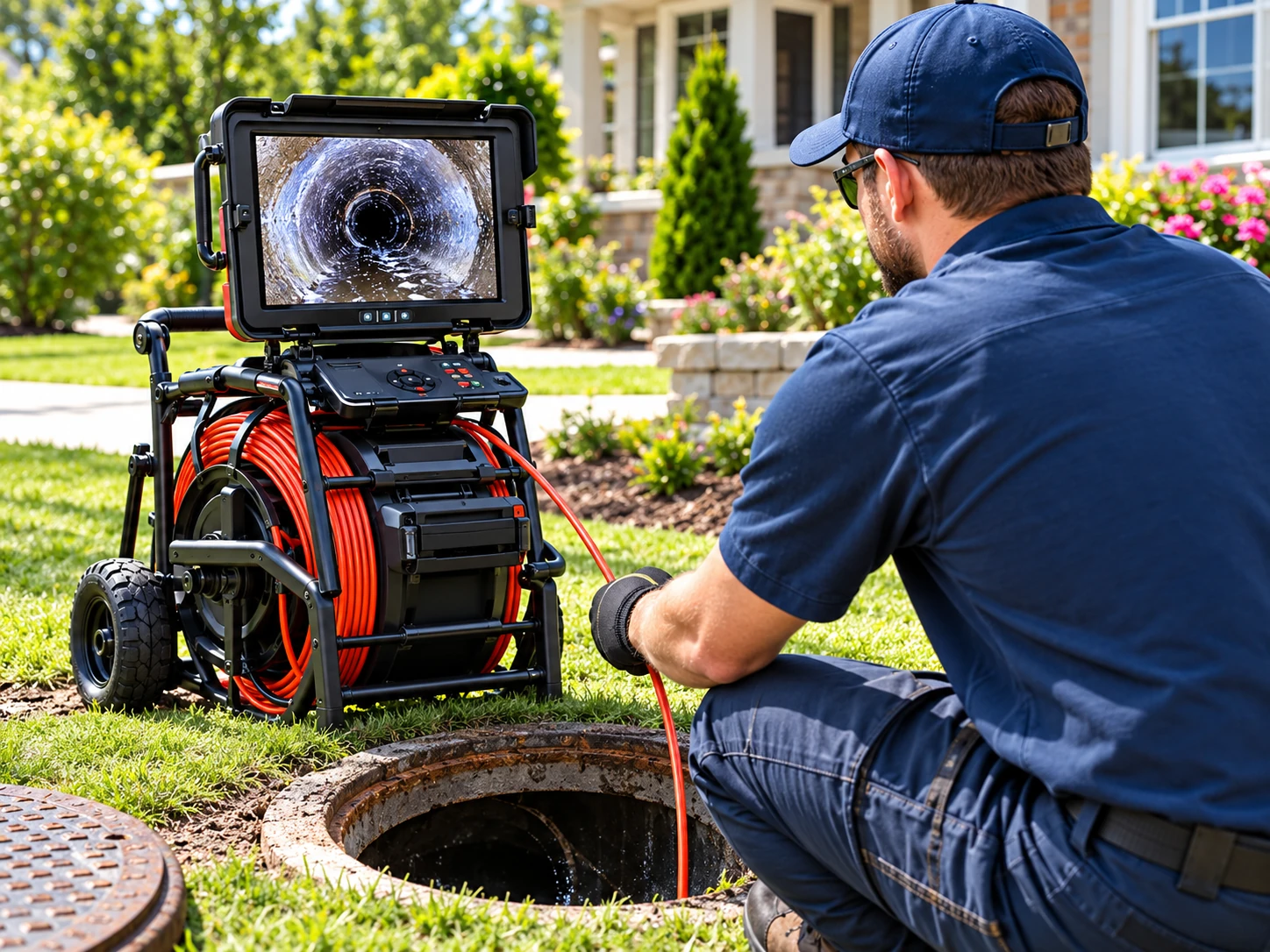
A CCTV sewer camera travels through an accessible pipe and displays images of its interior.

It can help identify visible cracks, intrusive roots, obstructions, joint displacement, and water collecting in low sections.

However, an image alone does not always establish the full extent of structural damage. A pipe may need cleaning before the camera can provide a useful view.

03

Sewer Camera Inspection

A CCTV sewer camera moves through an accessible pipe to identify visible defects, obstructions, root intrusion and sections holding water. The pipe may need cleaning first for a useful view; the images do not reveal every hidden condition.

04

Identifying the Location and Extent of Damage

When a defect is visible, compatible locating equipment may help identify its approximate position from above ground.

That information can help plan excavation or determine which length of pipe requires attention.

An inspection should also consider surrounding pipe condition. Repairing one defect may not be a complete solution if significant deterioration exists elsewhere.

05

Explaining Repair Options

The inspection findings should guide a clear discussion about available repairs.

A useful recommendation explains what is damaged, why a proposed method is suitable, what limitations exist, and whether reasonable alternatives should be considered.

The purpose is not simply to restore flow for the moment. It is to understand whether the underlying condition needs correction.

How the Process Works

We make sewer line repair straightforward and stress free.

1▣

Inspect

We perform a detailed sewer camera inspection to find the exact problem.

→
2▤

Diagnose

We explain the issue and recommend the best solution for your property.

→
3⚒

Repair or Replace

We complete the work using proven, long-lasting methods.

→
4✓

Get Back to Normal

Enjoy a properly functioning sewer line and peace of mind.

IRVINE SEWER LINE GUIDE

Sewer Line Repair vs. Pipe Lining vs. Replacement

Not every damaged sewer pipe needs full replacement. Equally, not every failing pipe can be restored through cleaning or trenchless rehabilitation.

The appropriate method depends on pipe condition, damage location, structural integrity, access, and the expected performance of the repair.

When a Localized Sewer Repair May Work

A localized repair may be reasonable when the defect affects a limited section and the remaining pipe is in serviceable condition.

Examples include an isolated broken joint or a short damaged section.

The repair may involve exposing the pipe, replacing the affected portion, and reconnecting it to the existing line using suitable materials and methods.

When Sewer Pipe Lining May Be Appropriate

Pipe lining may be considered when the existing sewer line can accommodate a rehabilitation system and the pipe can be prepared properly.

The technician must consider the pipe's dimensions, shape, connections, defects, and installation requirements.

Major collapse or severe deformation may prevent a liner from being installed correctly. Some projects require excavation or another method.

When Full Sewer Line Replacement May Be Necessary

Replacement may be the better option when damage is extensive or a substantial portion of the pipe is no longer serviceable.

Examples include widespread deterioration, major pipe collapse, or severe defects that make rehabilitation unsuitable.

Replacement creates an opportunity to install new piping with appropriate alignment and connections, subject to site and code requirements.

FROM FIRST CALL TO FINAL CHECKS

Understanding the Sewer Line Repair Process

The steps below describe a typical professional repair workflow. The actual contractor's process should be confirmed before publishing it as a company commitment.

Step 1 — Discuss the Problem

Start by describing the affected fixtures, how often the problem occurs, and whether wastewater is actively backing up.

Mention previous drain cleaning, camera inspections, or sewer repairs.

Step 2 — Assess and Inspect the Sewer Line

The appropriate investigation depends on the symptoms and available pipe access.

It may include checking accessible drainage components, clearing an obstruction when necessary, and using a sewer camera to inspect visible pipe conditions.

Step 3 — Explain the Findings

The findings should be described in language the property owner can understand.

Where available, images or inspection recordings can help show the problem.

It is reasonable to ask where the defect is located, how severe it appears, and what remains uncertain.

Step 4 — Review Repair or Replacement Options

The next step is comparing methods that suit the pipe and property.

This discussion should include access, excavation, permits, expected disruption, and the scope of restoration.

Step 5 — Complete the Agreed Work

Once the scope and necessary approvals are established, the appropriate repair or replacement work can proceed.

The exact steps differ between excavation, spot repair, lining, and other methods.

Step 6 — Perform Appropriate Post-Repair Checks

After repairs, the sewer line should be checked using methods suitable for the work performed and applicable inspection requirements.

The contractor should explain the completed work and any recommended follow-up.

Repair, Lining, or Replace?

Every sewer line problem is different. Here's a quick comparison to help you understand your options. We'll always recommend the best solution for your specific situation.

SolutionBest ForKey BenefitsImportant Limitations
Sewer RepairIsolated damage in otherwise serviceable pipeTargets a specific defectMay require excavation; does not correct unrelated defects
Pipe LiningExisting pipe suitable for rehabilitationMay reduce surface disruptionRequires suitable pipe geometry and preparation
Pipe ReplacementMajor failures or unsuitable existing pipeNew pipe with appropriate alignmentCan involve excavation and surface restoration

Additional option: Pipe bursting may replace a suitable sewer route with less continuous trenching, but access pits and utility clearances may still be needed. No repair lifespan can be guaranteed without evaluating site conditions.

Installed underground sewer pipe

Get the Right Solution
for Your Property

  • Accurate diagnosis
  • Clear explanation
  • Options that fit your needs
  • Long-lasting results
☎   Call Now
+1 (321) 425-1571
TAILORED TO THE PROPERTY

Sewer Line Repair for Homes and Commercial Properties

A sewer line problem can affect residential and commercial buildings differently. The pipe may serve one household, multiple occupied units, or several business spaces.

Residential Sewer Line Repair

For homeowners, sewer problems often become noticeable when everyday activities are interrupted.

Toilets, showers, washing machines, and kitchen fixtures may drain slowly or become unusable during a serious blockage.

The location of the sewer line also matters. A pipe running below a landscaped yard may offer different repair access than one beneath a concrete driveway or slab.

A diagnosis should consider both the damage and the property conditions surrounding it.

Commercial Sewer Line Repair

Commercial sewer problems may affect employees, tenants, customers, or multiple plumbing fixtures.

Restaurants, offices, retail spaces, and other buildings can have different wastewater demands and maintenance concerns.

When planning repairs, the property manager may need to consider working hours, sanitation, tenant access, utility interruptions, and safe work areas.

The repair plan should reflect how the building uses its drainage system.

Sewer Problems in HOA and Shared Properties

In a condominium complex, townhouse development, or HOA-managed property, the affected sewer pipe may serve more than one unit.

Responsibility for repair can depend on the location of the pipe, recorded ownership, governing documents, and applicable local requirements.

Before authorizing major work, clarify who can approve access and repairs, particularly when work affects shared property.

Stack of coins indicating cost

Sewer Line Repair Cost in Irvine, CA

The cost of sewer line repair can vary based on several factors. The best way to get an accurate estimate is a professional inspection. We provide clear pricing and explain your options before any work begins.

Learn More About Sewer Repair Cost →
♙

Damage SeverityMore extensive damage may require more work.

⚙

Pipe MaterialMaterial and connection requirements.

▣

Pipe DepthDeeper pipes often require more excavation.

⚒

AccessibilityDriveways, landscaping, utilities, structures.

◩

Length of PipeLonger pipe sections take more time and materials.

♧

Permits & InspectionsMay be required for certain projects.

⌂

RestorationRepairing concrete, paving, and landscaping.

IRVINE SEWER LINE GUIDE

Understanding Repair Costs and Long-Term Value

Is Sewer Line Repair Less Expensive Than Replacement?

A small localized repair may cost less initially than replacing a much longer pipe.

However, the least expensive immediate option is not always the most appropriate.

If additional sections are badly deteriorated, repeated repairs could lead to further disruption and expenses.

The comparison should consider the remaining pipe condition, not just the cost of the first intervention.

How Can an Accurate Inspection Help Avoid Unnecessary Work?

A useful inspection helps establish whether a problem is caused by a blockage, visible structural damage, or another issue.

It may also help identify the damaged section rather than treating an entire line as failed without evidence.

Not every defect can be fully assessed by camera alone, but reliable findings can support a more specific repair scope.

Why Accurate Diagnosis Matters

Technician with sewer camera
  • Pinpoint the exact issue.
  • Avoid unnecessary digging or costs
  • Get the right solution the first time
  • Save time, money, and future problems
Learn Why Diagnosis Matters →

Irvine Local Considerations

Irvine neighborhood
  • Soil conditions and tree roots
  • Local building codes and permits
  • HOA and community requirements
  • Older neighborhoods and infrastructure
Local Information for Irvine →

Choosing a Sewer Line Repair Contractor

Contractor discussion and handshake
  • Verify California contractor licensing
  • Ask about experience and reviews
  • Understand the proposed solution
  • Get a detailed written estimate
  • Compare options, not just price
Contractor Selection Tips →
PROPERTY-SPECIFIC PLANNING

Irvine Sewer Lines, Property Conditions, and Local Considerations

Sewer repair planning in Irvine should account for the individual property's construction, underground utility layout, and the authority responsible for the affected system.

Sewer Laterals and Property Responsibility

A sewer lateral is the pipe that carries wastewater from a building toward a public sewer main or another approved connection.

Private lateral responsibility is not necessarily limited to the area within a homeowner's visible property boundaries.

Property ownership, utility rules, easements, and connection details may affect responsibility.

Before starting major work, confirm the relevant utility provider and the responsible portion of the system.

Permits and Inspections

The City of Irvine's published plumbing guidance identifies sewer line repair and replacement among work requiring residential plumbing permits. The exact requirements, available exemptions, and applicable jurisdiction should be confirmed for the specific project.

City guidance also describes the need to arrange applicable inspections.

Property owners should ask who will handle permits, how inspections will be scheduled, and whether work affects a utility connection or public right-of-way.

Landscaping, Driveways, and Underground Access

Sewer lines may pass beneath lawns, planting beds, patios, walkways, or driveways.

Access conditions can make a major difference to the repair plan.

For example, an isolated defect below an open planting area may be approached differently from a damaged pipe beneath a finished driveway.

Before excavation, underground utilities should be appropriately located, and the work area assessed for safe access.

Older and Newer Residential Developments

Irvine includes communities built during different development periods, but the age of a neighborhood does not identify the exact sewer material at every property.

Earlier repairs, additions, and previous replacements can also change the piping.

A useful evaluation relies on available records, inspection findings, and actual site conditions rather than broad assumptions about local homes.

QUESTIONS BEFORE YOU APPROVE WORK

Choosing a Sewer Line Repair Contractor in Irvine

Underground sewer work can involve excavation, wastewater exposure, permits, and significant property disruption. Choosing a qualified contractor is an important part of the project.

Verify California Contractor Licensing

California's Contractors State License Board provides tools for checking contractor licensing. Its classifications include C-36 Plumbing.

You can verify license details through the official CSLB search service.

Check that the license is appropriate for the proposed work and review its current status rather than relying only on a number printed on a website.

Ask About Inspection and Diagnostic Methods

Ask how the contractor plans to identify the problem.

Will the pipe be cleaned before inspection if visibility is poor? Can the damaged section be located? Will you be shown the relevant findings?

The answers can help you evaluate the proposed repair.

Understand the Proposed Repair

A written scope should identify the work being proposed, where it will be performed, and the relevant limitations.

For more extensive projects, ask what conditions could require changes once work begins.

Discuss Permits, Access, and Restoration

Clarify whether excavation is expected, who will arrange permits, and what restoration is included.

Replacing a sewer pipe and restoring the surrounding property can be separate parts of the project scope.

Compare Recommendations, Not Just Prices

A low price may be attractive, but the recommended repair should address the confirmed condition.

Compare the diagnosis, method, scope, exclusions, and expected disruption before deciding.

A PRACTICAL MAINTENANCE GUIDE

Preventing Future Sewer Line Problems

Some sewer problems develop from aging or structural damage that routine maintenance cannot prevent. However, everyday habits can help reduce avoidable blockages.

Avoid sending cooking grease, wipes, hygiene products, and other unsuitable materials into drains.

Simple habits and informed maintenance can help

Some sewer problems develop from aging or structural damage that routine maintenance cannot prevent. However, everyday habits can help reduce avoidable blockages.

Avoid sending cooking grease, wipes, hygiene products, and other unsuitable materials into drains.

If roots have repeatedly entered a sewer pipe, consider whether the underlying entry point has been corrected rather than relying only on repeated cutting.

Watch for patterns such as multiple slow drains, recurring backups, or unusual odors.

A property with repeated sewer issues may benefit from a professional evaluation before another major blockage occurs.

Maintenance should match actual pipe conditions. Hydro jetting, mechanical cleaning, and other methods must be selected with the condition of the pipe in mind.

Roots entering underground sewer piping
How do I know if I need sewer line repair?

Recurring backups, multiple slow drains, sewer odors or unusually wet spots may indicate a main line problem. A camera inspection can identify the cause.

How much does sewer line repair cost in Irvine?

Costs depend on pipe depth, condition, access, repair method and restoration needs. An inspection helps establish a clear estimate.

Do you offer emergency sewer repair?

Call our team to discuss an urgent sewage backup and available response options.

What is trenchless sewer repair?

Trenchless techniques can rehabilitate or replace qualifying pipes while limiting excavation.

Can a damaged sewer line be repaired without digging?

Some pipe damage is suitable for lining or other trenchless work, depending on pipe condition and access.

How long does a sewer line repair take?

Timing varies with the repair method, size of damage, permits and site conditions.

What causes repeated sewage backups?

Recurring backups can result from roots, accumulated waste, grease, damaged pipe joints, low sections of pipe, or other restrictions.

Repeated cleaning may reopen the line without correcting the cause. When backups continue, further investigation may help determine whether the problem is a recurring obstruction or an underlying physical defect.

Who is responsible for sewer lateral repair in Irvine?

Responsibility depends on the affected portion of the sewer system, property ownership, utility rules, and any applicable easements or HOA arrangements.

The boundary between public and private responsibility is not always the same as the property line.

Confirm the specific requirements with the relevant sewer service provider and review property records before authorizing major repairs.

What should I do if sewage backs up into my home?

Stop using the affected plumbing fixtures to avoid sending more wastewater into the drainage system.

Keep children and pets away from contaminated areas. Avoid contact with sewage and do not enter standing water where electrical hazards may be present.

Arrange professional assistance to identify the drainage problem. Significant contamination may also require specialized cleanup and sanitation.

Will sewer repair damage my yard or driveway?

Some repairs require excavation. Trenchless methods may reduce surface disruption when appropriate.

Do you handle permits in Irvine?

Permit requirements depend on the scope and location of the repair. We can explain the applicable process.

What areas do you serve?

We serve Irvine, California and surrounding communities.

Does homeowners insurance cover sewer line repairs?

Coverage depends on your policy and the cause of damage. Review your policy with your insurer.

Can tree roots permanently damage a sewer pipe?

Roots may enter existing openings, contribute to blockages and worsen defects over time.

When should I replace my sewer line instead of repairing it?

Replacement can be preferable if the line is extensively damaged, collapsed or no longer structurally sound.

Can a sewer camera inspection find every type of leak?

No. A camera can show visible internal defects and conditions such as cracks, separated joints, and obstructions, but it cannot reliably identify every leak.

Some leakage may be difficult to confirm visually, and material outside the pipe may not be visible. Additional testing or investigation may be needed depending on the circumstances.

Are permits required for sewer line replacement?

Often, yes. Irvine's published plumbing guidance identifies sewer line repair and replacement as work that generally requires a residential plumbing permit.

The exact permit and inspection requirements depend on the project and jurisdiction. Confirm current requirements with the appropriate building authority before work begins.

Irvine sewer camera inspection technician

Ready to Fix Your Sewer Line?

Get expert sewer line repair in Irvine, CA. Fast response, accurate diagnosis, and long-lasting solutions.

☎   Call Now +1 (321) 425-1571Schedule an Inspection
☎   Call Now +1 (321) 425-1571